Elevate Business Process Automation Solutions

In today's fast-paced global economy, businesses are constantly seeking ways to enhance efficiency, reduce costs, and improve overall operational performance. This relentless pursuit often leads them to explore innovative business process automation solutions that can revolutionize how tasks are executed and decisions are made. By leveraging advanced technologies, organizations can streamline complex workflows, eliminate manual errors, and free up human capital for more strategic, value-added activities. The transition from manual, often repetitive, processes to automated systems is no longer a luxury but a necessity for maintaining a competitive edge.

The journey towards greater operational agility begins with a thorough understanding of current processes and identifying bottlenecks that hinder productivity. Automation isn't merely about digitizing existing steps; it's about re-imagining and optimizing the entire workflow to achieve superior outcomes. From finance and human resources to customer service and supply chain management, virtually every facet of an enterprise stands to benefit from intelligent automation.

Implementing such transformative solutions requires careful planning, a clear vision, and the right technological partners. It’s a strategic investment that promises significant returns, not just in terms of financial savings but also in improved data accuracy, faster service delivery, and enhanced employee satisfaction. As businesses grow and scale, the volume and complexity of their operations naturally increase, making manual handling unsustainable and prone to errors.
.jpg)
The true power of automation lies in its ability to foster consistency and compliance, crucial elements in highly regulated industries. By embedding rules and logic directly into the automated processes, companies can ensure that every step adheres to predefined standards, mitigating risks and improving auditability. This level of precision is virtually impossible to achieve consistently through human intervention alone, especially at scale.

Ultimately, embracing business process automation is about building a more resilient, responsive, and future-ready organization. It empowers businesses to adapt quickly to market changes, innovate faster, and deliver exceptional value to their customers. The ripple effect of well-implemented automation touches every part of the organization, setting the stage for sustainable growth and a culture of continuous improvement.

The Imperative of Business Process Automation Solutions
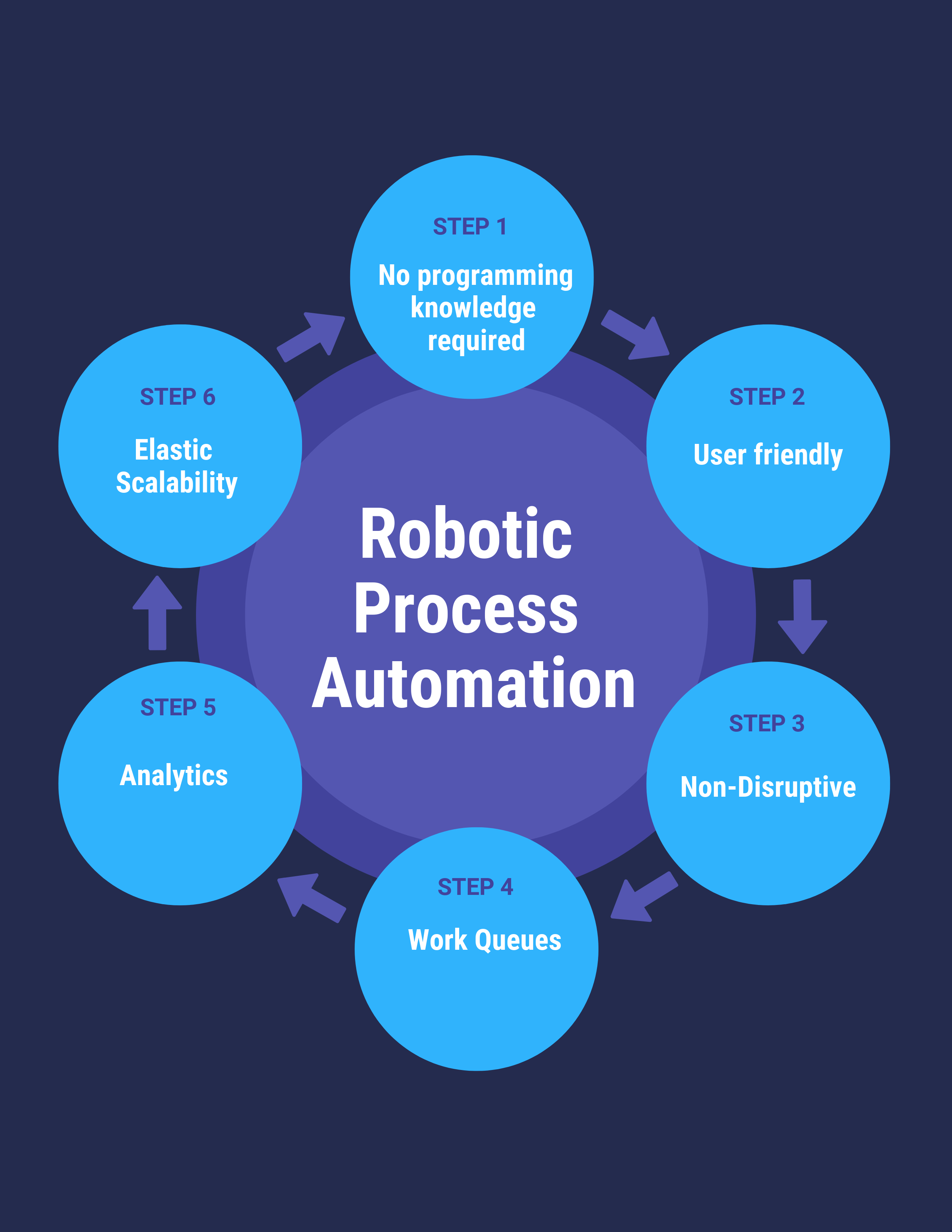
The drive for greater efficiency and resilience has made business process automation solutions an indispensable tool for modern enterprises. In an era where digital transformation is paramount, simply relying on traditional, manual methods can severely impede growth and innovation. The imperative stems from several critical factors, including the need to reduce operational costs, minimize human error, accelerate process execution, and enhance customer experience.

Manual processes are inherently prone to inconsistencies, delays, and errors, which can lead to significant financial losses and damage to reputation. Automating these processes ensures that tasks are performed consistently, accurately, and at a speed unattainable by human effort alone. This not only frees up employees from tedious, repetitive work but also allows them to focus on more complex, creative, and strategic initiatives that truly add value to the business. The strategic shift enabled by automation fosters a more engaged workforce and a culture of continuous improvement.
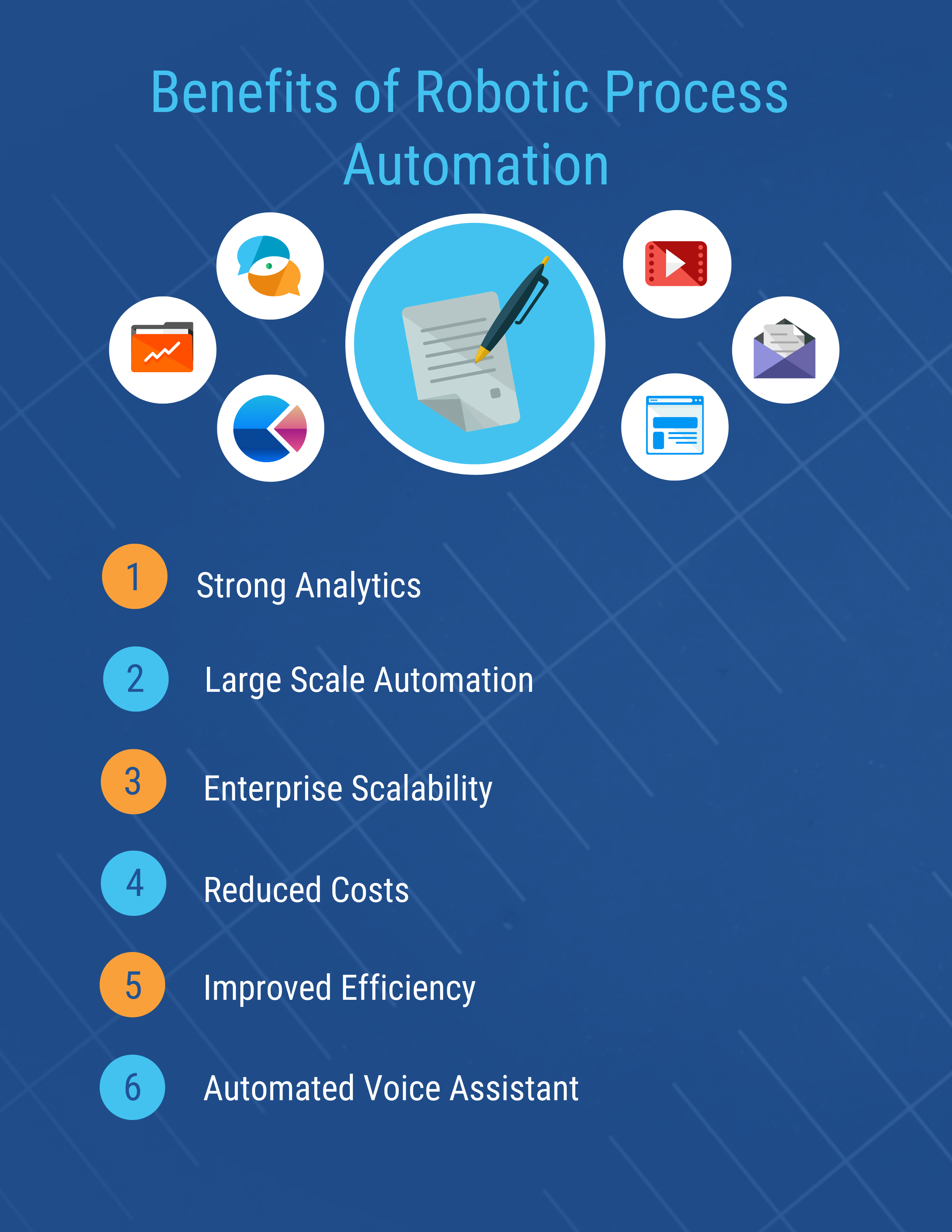
Moreover, the global business landscape demands agility. Companies must be able to adapt quickly to changing market conditions, customer demands, and regulatory requirements. Business process automation provides this flexibility by making workflows easily adjustable and scalable. Whether it's processing a sudden surge in customer orders or rapidly onboarding new employees, automated systems can handle increased volumes without a proportional increase in human resources, thus ensuring seamless operations even during periods of rapid growth or unforeseen challenges.

Core Technologies Powering Modern BPA
Modern business process automation solutions are built upon a foundation of cutting-edge technologies that work in concert to deliver comprehensive automation capabilities. Understanding these core technologies is crucial for businesses looking to invest wisely and leverage their full potential. The primary drivers include Robotic Process Automation (RPA), Artificial Intelligence (AI) and Machine Learning (ML), Business Process Management (BPM) Suites, and Integration Platform as a Service (iPaaS).

Robotic Process Automation (RPA) is perhaps the most widely recognized component of BPA. RPA involves software robots (bots) that are programmed to mimic human actions when interacting with digital systems. These bots can open applications, log in, copy and paste data, move files, and perform other repetitive tasks with high accuracy and speed. RPA is particularly effective for automating rule-based, high-volume transactional processes that typically require minimal decision-making.
Artificial Intelligence (AI) and Machine Learning (ML) elevate BPA beyond simple rule-based automation. AI-powered automation can handle unstructured data, learn from patterns, make predictive decisions, and even understand natural language. For instance, intelligent document processing (IDP) uses AI to extract relevant information from invoices or contracts, while chatbots and virtual assistants leverage natural language processing (NLP) to automate customer service interactions. ML algorithms continuously improve process efficiency by identifying optimal paths and predicting potential bottlenecks based on historical data.
Business Process Management (BPM) Suites provide a holistic framework for managing and optimizing business processes end-to-end. Unlike RPA, which focuses on automating specific tasks, BPM suites offer tools for process discovery, modeling, analysis, execution, monitoring, and optimization. They provide a centralized platform for designing workflows, assigning tasks, and ensuring compliance, often integrating with RPA and AI components to create a robust intelligent automation ecosystem.
Integration Platform as a Service (iPaaS) plays a vital role in connecting disparate systems and applications. In a typical enterprise, data often resides in various legacy systems, cloud applications, and databases. iPaaS solutions provide the necessary connectors and frameworks to seamlessly integrate these systems, allowing automated processes to flow smoothly across different platforms without manual data transfers or reconciliation. This ensures data consistency and eliminates information silos, which are critical for effective end-to-end automation.
Strategic Benefits of Adopting Business Process Automation Solutions
The strategic adoption of business process automation solutions yields a multitude of benefits that transcend mere operational efficiency. These advantages contribute directly to a company's bottom line, competitive standing, and long-term sustainability. The key benefits include significant cost reduction, enhanced productivity, improved data accuracy, superior customer experience, increased compliance and security, and greater scalability.
One of the most immediate and tangible benefits is cost reduction. By automating repetitive tasks, businesses can reduce the need for manual labor, reallocate resources, and minimize overtime expenses. Furthermore, automation drastically lowers the cost associated with human errors, rework, and compliance failures, which can be substantial. The capital freed up can then be reinvested into growth initiatives or innovation.
Enhanced productivity is another cornerstone benefit. Automated processes run 24/7 without fatigue or downtime, executing tasks far more quickly than humans. This accelerates throughput, reduces lead times, and allows employees to dedicate their time to higher-value activities such as strategic planning, problem-solving, and creative endeavors. The cumulative effect is a significant increase in overall organizational output.
Improved data accuracy and quality are critical in an data-driven world. Automated systems follow predefined rules precisely, eliminating human transcription errors, miscalculations, and omissions. This results in cleaner, more reliable data, which is essential for accurate reporting, insightful analytics, and informed decision-making across all departments.
The impact on customer experience is profound. Automation enables faster response times, quicker order processing, and more consistent service delivery. For example, automated chatbots can provide instant answers to common queries, while automated workflows can expedite claims processing or loan approvals. This efficiency and reliability translate directly into higher customer satisfaction and loyalty.
Increased compliance and security are particularly vital in regulated industries. Automation ensures that processes adhere strictly to regulatory requirements and internal policies, providing an auditable trail of all activities. This reduces the risk of non-compliance fines and enhances data security by minimizing human access to sensitive information and enforcing strict access controls within automated workflows.
Finally, greater scalability allows businesses to grow without proportionally increasing their operational overhead. Automated processes can easily be scaled up or down to accommodate fluctuating demands, new product launches, or market expansions. This agility enables organizations to seize new opportunities rapidly and maintain operational stability during periods of rapid change.
Key Phases in Implementing BPA Solutions
Successfully implementing business process automation solutions is a multi-stage journey that requires careful planning, execution, and continuous optimization. Rushing through these phases can lead to suboptimal results or failed initiatives. Typically, the process can be broken down into several key phases: process discovery and analysis, solution design, development and testing, deployment, and ongoing monitoring and optimization.
The first phase, process discovery and analysis, is arguably the most critical. It involves thoroughly understanding existing business processes, identifying bottlenecks, pain points, and opportunities for automation. This often includes documenting current workflows, mapping user journeys, and performing a detailed cost-benefit analysis for each potential automation candidate. The goal is to pinpoint processes that are repetitive, high-volume, rule-based, and prone to human error, as these are typically the best candidates for automation. Stakeholder interviews, process mining tools, and direct observation are common techniques used in this phase.
Next is solution design, where the automation strategy is conceptualized. This involves designing the "to-be" automated process, selecting the appropriate technologies (RPA, AI, BPM, etc.), and defining the technical architecture. Detailed technical specifications, integration points, data flows, and security protocols are laid out. This phase also includes defining key performance indicators (KPIs) and success metrics to evaluate the automation's effectiveness post-implementation.
The development and testing phase brings the design to life. Automation scripts are developed, bots are configured, AI models are trained, and integrations are built. Rigorous testing is paramount during this stage. This includes unit testing, system integration testing, user acceptance testing (UAT), and performance testing to ensure that the automated process functions as intended, integrates seamlessly with other systems, and meets performance requirements under various conditions. Any issues or bugs are identified and rectified before deployment.
Deployment involves rolling out the automation solution into the production environment. This step requires careful coordination to minimize disruption to ongoing business operations. It often includes phased rollouts, parallel runs (running manual and automated processes simultaneously for a period), and comprehensive training for end-users and support staff. A robust change management strategy is essential to ensure smooth adoption and address any user concerns.
Finally, ongoing monitoring and optimization are crucial for the long-term success of BPA initiatives. Post-deployment, the automated processes must be continuously monitored for performance, errors, and compliance. Metrics defined in the design phase are tracked to assess ROI and identify areas for further improvement. As business needs evolve, automated processes may need to be refined, updated, or expanded. This iterative approach ensures that the automation continues to deliver maximum value and adapts to changing organizational requirements.
Identifying Opportunities for Business Process Automation
Identifying the right opportunities is fundamental to maximizing the impact of business process automation solutions. Not every process is a good candidate for automation, and focusing on the wrong areas can lead to wasted resources and minimal returns. Businesses should adopt a systematic approach to pinpoint high-impact processes that are ripe for transformation.
A key starting point is to look for processes that are repetitive and high-volume. Tasks that are performed frequently and involve a large number of transactions are prime candidates because automation can significantly reduce the manual effort involved. Examples include data entry, invoice processing, payroll, and customer onboarding. Even small improvements in these areas can yield substantial time and cost savings when multiplied across many instances.
Processes that are rule-based and predictable are also ideal. If a task involves a clear set of steps, logical conditions (if/then statements), and minimal human judgment, it can be easily codified and automated. Conversely, processes requiring complex decision-making, creativity, or nuanced human interaction are less suitable for full automation, though AI components can assist.
Another critical factor is the presence of bottlenecks or high error rates. Processes that frequently cause delays, require significant rework due to errors, or lead to customer dissatisfaction are excellent targets. Automating these areas not only improves efficiency but also directly addresses pain points that negatively impact performance and reputation. For instance, automating a claims processing workflow can drastically reduce processing times and improve accuracy, leading to happier customers.
Furthermore, consider processes that involve multiple systems and applications. Many business processes require employees to toggle between various software applications, copy-pasting data from one system to another. These "swivel chair" processes are time-consuming and prone to manual errors. Automation, often through RPA and iPaaS, can seamlessly integrate these systems, allowing data to flow automatically and accurately across platforms.
Lastly, processes that have a clear, measurable impact on key business metrics should be prioritized. Whether it’s reducing operating costs, improving customer satisfaction scores, accelerating time-to-market, or enhancing regulatory compliance, the chosen automation initiatives should directly contribute to strategic business objectives. A strong business case with quantifiable benefits will ensure stakeholder buy-in and demonstrate a clear return on investment.
Overcoming Challenges and Maximizing ROI
While business process automation solutions offer immense potential, their implementation is not without challenges. Addressing these hurdles effectively is crucial for maximizing the return on investment (ROI) and ensuring long-term success. Common challenges include resistance to change, lack of clear strategy, technical complexities, data quality issues, and difficulty in measuring benefits.
One of the most significant challenges is resistance to change from employees. Fear of job displacement, unfamiliarity with new technologies, and comfort with existing processes can hinder adoption. Overcoming this requires strong leadership, transparent communication about the benefits of automation, and comprehensive training programs. Employees should be re-skilled to perform higher-value tasks and view automation as an enabler rather than a threat. A culture that embraces continuous improvement and innovation is vital.
Another pitfall is the lack of a clear strategy and scope definition. Without a well-defined automation roadmap tied to business objectives, projects can become ad hoc, fragmented, and fail to deliver strategic value. Organizations must establish a dedicated center of excellence (CoE) for automation, set clear goals, prioritize initiatives based on business impact, and maintain executive sponsorship. A phased approach allows for learning and adaptation.
Technical complexities and integration challenges can also impede progress. Integrating new automation tools with legacy systems or disparate applications can be intricate and time-consuming. This requires robust integration strategies, skilled technical resources, and potentially the use of iPaaS solutions. Ensuring data quality and consistency across systems is also paramount, as poor data can derail even the most sophisticated automation efforts. Data governance policies must be established and enforced.
Furthermore, difficulty in measuring and demonstrating ROI can lead to skepticism and defunded projects. It's not always easy to quantify indirect benefits like improved employee morale or enhanced compliance. To maximize ROI, businesses must define clear, measurable KPIs (Key Performance Indicators) from the outset. These metrics should track both tangible benefits (cost savings, error reduction) and intangible ones (customer satisfaction, process cycle time improvements). Regular reporting and post-implementation reviews are essential to validate benefits and communicate success stories.
Finally, scaling automation initiatives beyond initial pilot projects often presents challenges related to governance, maintenance, and ongoing optimization. An effective governance framework ensures that automation efforts align with business priorities, adhere to standards, and are managed centrally. Ongoing monitoring and maintenance of automated processes are necessary to adapt to system changes, handle exceptions, and continuously identify new opportunities for improvement, ensuring the automation remains relevant and efficient over time.
Conclusion
The journey to elevate business operations through business process automation solutions is a strategic imperative for any organization aiming to thrive in the modern economy. From enhancing efficiency and reducing costs to improving data accuracy and elevating customer experience, the benefits are far-reaching and transformative. By leveraging core technologies like RPA, AI, ML, and BPM suites, businesses can move beyond traditional, manual workflows to create highly agile, scalable, and resilient operational frameworks.
Successful implementation, however, hinges on a clear understanding of current processes, meticulous planning, rigorous testing, and continuous optimization. It's not just about technology; it's about a holistic approach that includes strong leadership, effective change management, and a commitment to fostering a culture that embraces digital transformation. Overcoming challenges such as resistance to change and technical complexities requires proactive strategies and dedicated resources.
Ultimately, investing in robust business process automation solutions is an investment in the future of the enterprise. It empowers businesses to unlock new levels of productivity, deliver superior value, and remain competitive in an ever-evolving global marketplace, setting the stage for sustainable growth and innovation.