Unlock Cryptocurrency Regulatory Compliance Success

The volatile yet transformative world of digital assets necessitates a robust approach to cryptocurrency regulatory compliance. As the crypto ecosystem expands, attracting billions in capital and millions of users globally, regulators worldwide are intensifying their efforts to bring clarity and oversight to this nascent industry. For businesses operating within or intending to enter the crypto space, understanding and adhering to these evolving legal frameworks is no longer optional but a critical determinant of long-term viability and success. Ignoring these mandates poses significant financial, reputational, and legal risks, including hefty fines, operational shutdowns, and even criminal charges.
The urgency stems from the inherent characteristics of cryptocurrencies, such as their decentralized nature and pseudonymity, which can be exploited for illicit activities like money laundering, terrorist financing, and sanctions evasion. Governments and international bodies are therefore focused on establishing guardrails that protect consumers, maintain financial stability, and prevent financial crime, all while trying not to stifle innovation. This delicate balance creates a complex compliance landscape that demands constant vigilance and adaptability from market participants.
Achieving effective compliance requires a multifaceted strategy that encompasses legal, technological, and operational dimensions. It involves deeply understanding various jurisdictional requirements, implementing sophisticated anti-money laundering (AML) and know-your-customer (KYC) protocols, and adapting to global standards set by organizations like the Financial Action Task Force (FATF). For any entity dealing with crypto, from exchanges and custodians to DeFi protocols and NFT platforms, building a strong compliance framework from the ground up is essential for securing a legitimate foothold in the digital economy.
This article delves into the intricacies of cryptocurrency regulatory compliance, exploring the key frameworks, challenges, and strategic approaches necessary for businesses to not only meet their legal obligations but also to thrive in a regulated future. By proactively addressing these requirements, companies can build trust, unlock new opportunities, and contribute to the maturation and broader adoption of digital assets.
The Imperative of Cryptocurrency Regulatory Compliance

The journey from a niche technological curiosity to a mainstream financial force has thrust cryptocurrencies into the regulatory spotlight. What was once seen as an unregulated frontier is rapidly transforming into a structured environment where cryptocurrency regulatory compliance is paramount. This shift is driven by a confluence of factors, including increasing institutional adoption, concerns over financial stability, and the persistent threat of illicit finance.
The Evolving Landscape of Crypto Regulation
Regulators worldwide are grappling with how to classify and oversee digital assets. This has led to a patchwork of regulations, ranging from outright bans in some jurisdictions to comprehensive licensing regimes in others. Key drivers include the desire to protect retail investors from scams and market manipulation, the need to integrate digital assets into existing financial systems without causing systemic risk, and the ongoing fight against money laundering and terrorist financing. The absence of a single, unified global regulatory body means businesses must navigate a complex web of national and international guidelines.
Risks of Non-Compliance
Ignoring cryptocurrency regulatory compliance carries severe consequences. For businesses, the risks include:
- Hefty Fines and Penalties: Regulatory bodies globally have demonstrated a willingness to impose significant financial penalties for compliance failures. These can range from millions to hundreds of millions of dollars, severely impacting a company's financial health.
- Reputational Damage: Non-compliance can lead to a loss of public trust, negative media coverage, and a tarnished brand image. This can deter new users and partners, making it difficult to operate.
- Operational Disruption: Regulators can issue cease-and-desist orders, suspend licenses, or even shut down operations entirely, leading to catastrophic business interruption.
- Legal Action and Criminal Charges: Individuals and corporate officers can face civil lawsuits or even criminal prosecution for egregious violations, especially concerning AML/CFT failures.
- Exclusion from Financial Systems: Non-compliant entities may find it difficult to access traditional banking services, payment rails, and institutional liquidity, effectively isolating them from the broader financial ecosystem.
Key Regulatory Frameworks and Their Impact
Understanding the foundational regulatory frameworks is crucial for anyone engaging in cryptocurrency regulatory compliance. These frameworks are designed to mitigate risks associated with digital assets and integrate them into the global financial system.
Anti-Money Laundering (AML) and Know Your Customer (KYC)
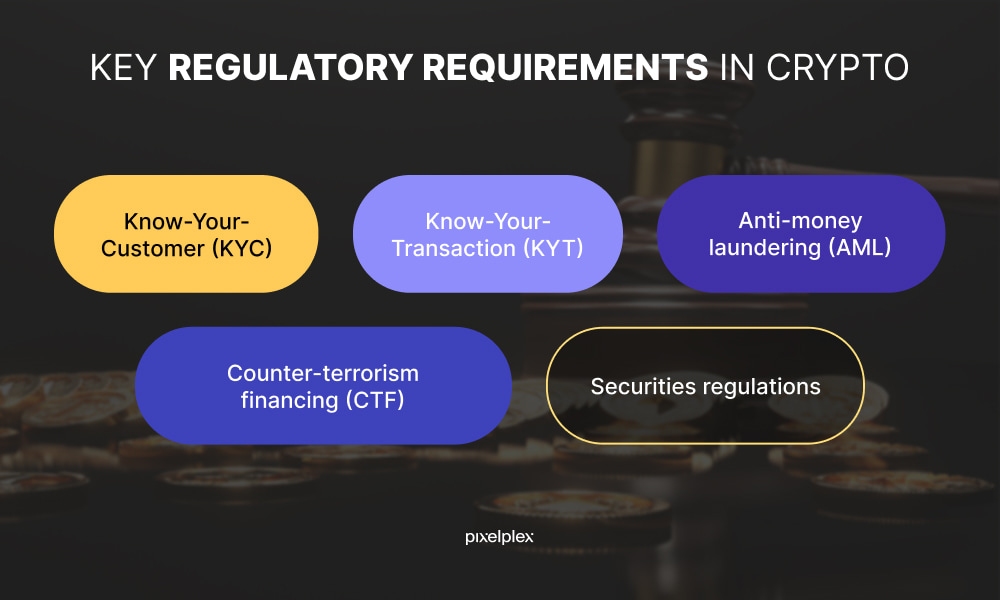
At the core of virtually all financial regulations, including those for crypto, are Anti-Money Laundering (AML) and Know Your Customer (KYC) requirements. AML laws aim to prevent financial systems from being used to disguise illegally obtained funds. KYC is a critical component of AML, requiring financial institutions and designated non-financial businesses and professions (DNFBPs), which often include crypto service providers (CASPs), to verify the identity of their customers.
For crypto businesses, this translates to:
- Customer Identification Program (CIP): Collecting and verifying personal information (name, address, date of birth, government ID).
- Customer Due Diligence (CDD): Assessing the risk associated with a customer based on their activities and location. Enhanced Due Diligence (EDD) is required for higher-risk customers.
- Ongoing Monitoring: Continuously monitoring customer transactions for suspicious activity.
- Suspicious Activity Reports (SARs): Reporting any detected suspicious transactions to relevant financial intelligence units (FIUs).
The Financial Action Task Force (FATF) and the Travel Rule
The Financial Action Task Force (FATF) is an intergovernmental organization that sets international standards to prevent money laundering and terrorist financing. Its guidance for virtual assets and Virtual Asset Service Providers (VASPs) is highly influential globally. The FATF's "Travel Rule" is particularly impactful for cryptocurrency regulatory compliance.
The Travel Rule requires VASPs to obtain, hold, and transmit originator and beneficiary information for transfers of virtual assets exceeding a certain threshold (e.g., $1,000 USD or EUR). This mirrors the requirements for traditional wire transfers and aims to enhance transparency in virtual asset transactions. Implementing the Travel Rule requires significant technological and operational adjustments for VASPs, leading to the development of specific solutions designed to facilitate secure information sharing between disparate platforms.
Global Regulatory Approaches: MiCA, SEC, and Beyond
The regulatory landscape is marked by diverse approaches:
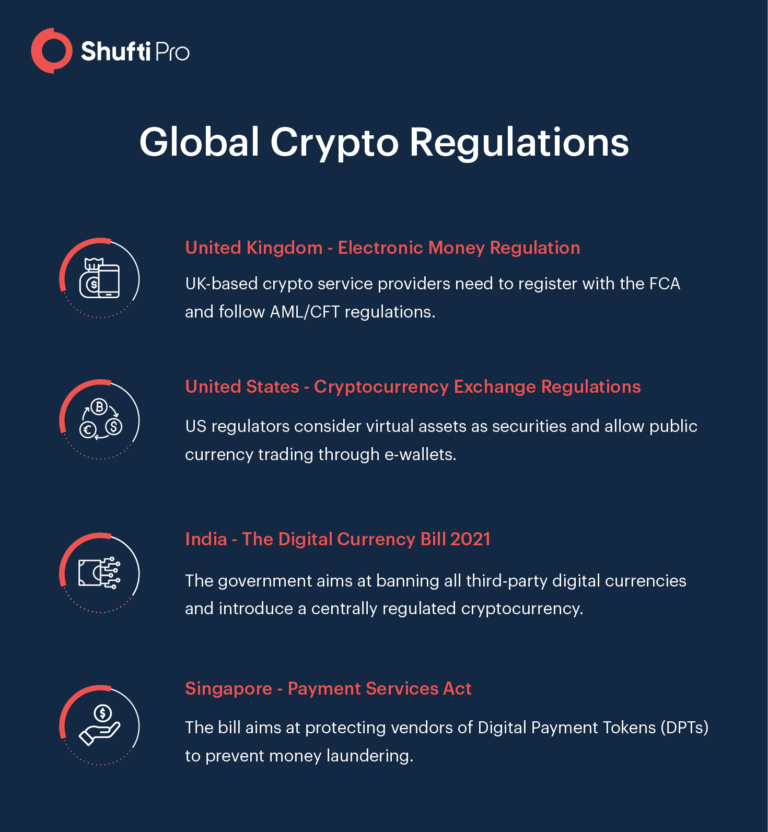
- European Union (EU): The Markets in Crypto-Assets (MiCA) regulation is a landmark comprehensive framework aiming to provide legal certainty for crypto-asset issuers and service providers across all EU member states. It covers stablecoins, e-money tokens, and other crypto-assets, establishing requirements for authorization, operation, and consumer protection. MiCA is expected to significantly streamline cryptocurrency regulatory compliance within the EU.
- United States (US): The US takes a more fragmented approach, with multiple agencies (SEC, CFTC, FinCEN, IRS, OCC) asserting jurisdiction based on how a crypto asset is classified (e.g., security, commodity, currency). The Securities and Exchange Commission (SEC) has been particularly active in enforcing securities laws against crypto projects and exchanges it deems to be offering unregistered securities.
- Asia: Countries like Singapore and Japan have adopted progressive licensing regimes for crypto businesses, aiming to foster innovation while ensuring robust oversight. Other nations, such as China, have taken a highly restrictive stance.
- United Kingdom: The UK is developing its own comprehensive regulatory framework for crypto-assets, seeking to balance innovation with financial stability and consumer protection.
This global mosaic means businesses often face the challenge of adhering to multiple, sometimes conflicting, regulatory regimes depending on where they operate and where their customers reside.
Navigating the Complexities of Cryptocurrency Regulatory Compliance
The path to achieving robust cryptocurrency regulatory compliance is fraught with unique challenges that distinguish it from traditional financial compliance.
Jurisdictional Challenges
The borderless nature of cryptocurrencies means that a transaction initiated in one country might involve parties and servers located in several others. This presents a fundamental challenge to jurisdiction. Which country's laws apply? Businesses must identify all relevant jurisdictions based on their operations, user base, and the location of their infrastructure. This often necessitates obtaining multiple licenses or registrations and adhering to varying data privacy laws (like GDPR) in addition to financial regulations.
Technological and Operational Hurdles
Implementing compliance measures in a blockchain environment presents distinct technical challenges:
- Pseudonymity of Blockchain: While transactions are public, the identities of wallet owners are often pseudonymous, requiring sophisticated on-chain analytics to link addresses to real-world entities.
- Decentralized Finance (DeFi): DeFi protocols operate without central intermediaries, making traditional compliance enforcement difficult. Regulators are still exploring how to apply existing rules to these decentralized applications.
- Interoperability: Different blockchains and protocols don't always communicate seamlessly, complicating the tracking of funds across networks.
- Data Management: Collecting, storing, and securing vast amounts of sensitive customer data and transaction records in a compliant manner requires robust systems and data privacy protocols.
- Rapid Innovation: The crypto space evolves at an unprecedented pace, with new assets, protocols, and business models emerging constantly. Regulators struggle to keep up, and businesses must be agile enough to adapt their compliance frameworks to new innovations.
Strategies for Achieving Robust Cryptocurrency Regulatory Compliance
Given the complexities, a strategic, proactive approach to cryptocurrency regulatory compliance is essential for any entity serious about long-term success in the digital asset space.
Implementing Advanced Compliance Technologies
Leveraging technology is non-negotiable for effective crypto compliance. This includes:
- Automated KYC/AML Solutions: Utilizing AI-powered identity verification, facial recognition, and data validation tools to streamline customer onboarding and ongoing monitoring.
- Blockchain Analytics Tools: Employing software that analyzes on-chain data to identify suspicious transaction patterns, trace illicit funds, and assess risk scores for wallets and addresses. These tools can help identify funds linked to darknet markets, scams, or sanctioned entities.
- Transaction Monitoring Systems: Implementing real-time systems that flag unusual or high-risk transactions for manual review, supporting SAR filing obligations.
- Sanctions Screening: Integrating tools that automatically screen customers and transactions against global sanctions lists (OFAC, UN, EU, etc.).
- Travel Rule Solutions: Adopting specialized protocols and platforms that facilitate the secure and compliant exchange of originator and beneficiary information between VASPs.
Developing Comprehensive Internal Policies and Controls
Strong internal governance is the backbone of successful compliance:
- Written Policies and Procedures: Establishing clear, documented policies for all aspects of compliance, including KYC, AML, sanctions, data privacy, and incident response.
- Risk Assessment Framework: Regularly conducting thorough risk assessments to identify, evaluate, and mitigate potential compliance risks across all business operations.
- Internal Controls: Implementing robust internal controls to ensure adherence to policies, prevent fraud, and maintain data integrity. This includes segregation of duties and dual authorization for critical processes.
- Record Keeping: Maintaining meticulous records of all customer due diligence, transactions, and compliance activities for regulatory scrutiny.
Engaging Legal and Compliance Experts
Given the legal intricacies and rapid changes, specialized expertise is invaluable:
- Legal Counsel: Partnering with law firms specializing in blockchain and financial technology to understand jurisdictional requirements, interpret regulations, and advise on licensing.
- Compliance Officers: Appointing qualified compliance officers with expertise in both traditional finance and digital assets to oversee the compliance program, conduct training, and act as a liaison with regulators.
- External Audits: Periodically engaging independent third-party auditors to assess the effectiveness of the compliance framework and identify areas for improvement.
Fostering a Culture of Compliance
Compliance should not be seen as merely a legal burden but as an integral part of the business ethos:
- Training and Education: Regularly training all employees, from new hires to senior management, on compliance policies, emerging risks, and their individual responsibilities.
- Leadership Commitment: Ensuring that senior leadership visibly champions compliance efforts, allocating necessary resources and setting the tone for the entire organization.
- Whistleblower Programs: Establishing secure channels for employees to report potential violations without fear of retaliation.
The Strategic Advantage of Proactive Compliance
While challenging, embracing cryptocurrency regulatory compliance offers significant strategic advantages beyond merely avoiding penalties.
Enhancing Trust and Reputation
In an industry often associated with skepticism and scams, a strong commitment to compliance builds credibility. Businesses that proactively adhere to regulatory standards signal reliability and trustworthiness to customers, partners, and institutional investors. This reputation can be a powerful differentiator, attracting a more discerning and stable user base.
Unlocking New Market Opportunities
Regulated environments often attract institutional capital and traditional financial players who are hesitant to engage with unregulated entities. By achieving compliance, crypto businesses can access broader markets, forge partnerships with banks and established financial institutions, and participate in mainstream financial infrastructure. This opens doors to new revenue streams and opportunities for growth that are otherwise inaccessible. Furthermore, being compliant can facilitate expansion into new jurisdictions that demand robust regulatory adherence.
The Future of Cryptocurrency Regulation
The trend towards increased regulation is set to continue. We can expect to see:
- Greater Harmonization: While a global framework remains elusive, efforts by bodies like FATF, G20, and the FSB will likely lead to greater alignment and interoperability between national regulations, making cryptocurrency regulatory compliance slightly less fragmented.
- Focus on DeFi and NFTs: Regulators are increasingly turning their attention to decentralized finance and non-fungible tokens (NFTs), exploring how existing rules apply or if new ones are needed. This may involve regulating front-end interfaces, developers, or specific actors within these ecosystems.
- Technological Advancement in Compliance: AI, machine learning, and advanced data analytics will play an even larger role in automating and enhancing compliance processes, making them more efficient and effective.
- ESG Considerations: Environmental, social, and governance (ESG) factors are also emerging as a consideration in crypto regulation, particularly concerning the energy consumption of certain blockchain consensus mechanisms.
Conclusion
Cryptocurrency regulatory compliance is no longer a peripheral concern but a core pillar for sustainable growth and innovation in the digital asset space. The complex and evolving landscape demands a proactive, comprehensive strategy that integrates cutting-edge technology, robust internal controls, and expert guidance. By embracing these challenges, businesses can mitigate significant risks, build unparalleled trust, and unlock vast new opportunities. As the industry matures, those committed to navigating the regulatory maze will be best positioned to lead the charge towards a more secure, transparent, and globally integrated digital financial future.