Choosing Your Cryptoassettradingplatforms

The digital revolution has reshaped global finance, ushering in an era where decentralized digital assets are becoming an increasingly significant part of the economic landscape. For anyone looking to participate in this evolving market, understanding and selecting the right cryptoassettradingplatforms is not just beneficial, but absolutely critical. These platforms serve as the crucial gateways, facilitating the buying, selling, and exchanging of cryptocurrencies like Bitcoin, Ethereum, and countless altcoins. Without a robust and reliable platform, navigating the complexities of digital asset investments would be virtually impossible for the average user.
The sheer volume and variety of digital assets available today necessitate specialized venues for their exchange. From volatile meme coins to stablecoins pegged to fiat currencies, each asset requires an infrastructure that can handle rapid price fluctuations, secure transactions, and diverse user needs. This is precisely where cryptoasset trading platforms come into play, offering the tools and liquidity necessary for both novice investors and seasoned traders to engage with the market.
However, the proliferation of these platforms has also created a landscape that can be overwhelming to new entrants. With hundreds of options, each boasting unique features, fee structures, security protocols, and user interfaces, making an informed decision requires careful consideration. A hasty choice could lead to unexpected fees, security vulnerabilities, or a frustrating user experience that hinders your investment goals.
This guide aims to demystify the process of choosing the best cryptoasset trading platform for your needs. We will delve into the critical factors that differentiate these platforms, from the foundational aspects of security and regulatory compliance to the nuances of user experience and advanced trading tools. By the end, you should have a clear understanding of what to look for, empowering you to make a confident and secure entry into the world of digital asset trading.
Understanding Cryptoasset Trading Platforms


At their core, cryptoassettradingplatforms are online marketplaces where users can trade various cryptocurrencies. They act as intermediaries, connecting buyers and sellers and facilitating transactions. While the basic function is similar to traditional stock exchanges, the underlying technology (blockchain) and the assets themselves introduce unique considerations. These platforms typically offer a range of services beyond simple buying and selling, including wallet services for storing assets, charting tools for market analysis, and educational resources.
The operational model of these platforms can vary significantly. Some operate as centralized exchanges (CEXs), where the platform itself holds users' funds in custody, similar to a traditional bank. Others are decentralized exchanges (DEXs), which allow users to trade directly from their personal wallets without relinquishing custody of their assets, relying on smart contracts to execute trades. Each model presents its own set of advantages and disadvantages, particularly concerning security, control, and accessibility.
Crucially, the rapid evolution of the crypto market means that platforms are constantly innovating. New features, improved security measures, and expanded asset offerings are routinely introduced. Therefore, staying informed about the latest developments and understanding the distinctions between different types of platforms is essential for anyone serious about engaging with digital assets.
Key Factors When Choosing Cryptoassettradingplatforms
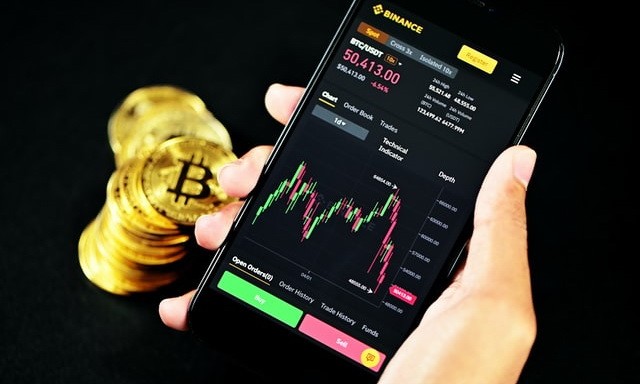
Selecting the right platform is paramount for a secure and efficient trading experience. Here are the most critical factors to consider when evaluating cryptoassettradingplatforms.
Security and Regulatory Compliance
Security is arguably the most important factor. Given the decentralized and often pseudonymous nature of cryptocurrencies, platforms are frequent targets for hackers. Look for platforms that employ robust security measures, including two-factor authentication (2FA), cold storage for a significant portion of user funds, encryption, and regular security audits. Reputable platforms will also have insurance policies to protect a portion of user assets in the event of a breach, though this is not universal.
Regulatory compliance is equally vital. Platforms operating within established regulatory frameworks tend to be more trustworthy and accountable. Check if the platform is registered with relevant financial authorities in its operating jurisdictions (e.g., FinCEN in the US, FCA in the UK). While the regulatory landscape for crypto is still evolving, platforms that proactively seek compliance demonstrate a commitment to legitimacy and user protection, which significantly enhances their trustworthiness. Avoiding platforms that operate in legal gray areas can protect you from potential legal issues or platform shutdowns.
Supported Assets and Liquidity
The range of cryptocurrencies supported by a platform can vary widely. If you're interested in trading a specific altcoin, ensure the platform lists it. More established platforms like Coinbase or Binance offer a vast selection, but smaller, newer coins might only be available on specific, often smaller, exchanges.
Liquidity refers to how easily an asset can be bought or sold without significantly affecting its price. High liquidity means there are many buyers and sellers, leading to tighter spreads (the difference between buy and sell prices) and faster trade execution. Platforms with high trading volumes generally offer better liquidity. Trading on a low-liquidity platform can result in significant price slippage, especially for larger orders, costing you more in the long run.
Fees and Costs Associated with Cryptoassettradingplatforms
Understanding the fee structure is crucial for managing your trading expenses. Platforms typically charge various fees:
* Trading Fees: These are charged for buying and selling assets, often as a percentage of the transaction value. They can vary based on your trading volume (tier-based fees) or whether you're a "maker" (adding liquidity to the order book) or a "taker" (removing liquidity). Maker-taker models usually reward makers with lower fees.
* Deposit Fees: Some platforms charge fees for depositing fiat currency or certain cryptocurrencies.
* Withdrawal Fees: These are common and can vary significantly depending on the asset and network congestion. Always check withdrawal fees before transferring funds.
* Conversion Fees: If you're converting between different cryptocurrencies directly without going through a stablecoin, there might be a conversion fee.
Compare fee structures across multiple cryptoassettradingplatforms to find one that aligns with your trading frequency and volume. Even small percentage differences can add up over time.
User Experience and Interface
A well-designed and intuitive user interface (UI) can significantly enhance your trading experience. For beginners, a simple, clean interface that prioritizes ease of use for buying and selling is ideal. More experienced traders might prefer platforms with advanced charting tools, multiple order types (limit, stop-loss, market), and customizable dashboards.
Consider whether the platform offers a mobile app, as this can be essential for managing trades on the go. Test out the platform's navigation, responsiveness, and overall ease of performing common actions like funding your account, placing orders, and withdrawing funds. A cumbersome interface can lead to errors and frustration.
Customer Support
Effective customer support is invaluable, especially when dealing with money. Look for platforms that offer multiple support channels (live chat, email, phone support) and have a reputation for prompt and helpful responses. Check online reviews and forums for user experiences with the platform's support team. Issues can arise at any time, from forgotten passwords to transaction errors, and quick resolution can save you significant stress and potential financial loss.
Additional Features and Services
Many cryptoasset trading platforms now offer services beyond basic spot trading:
* Staking: Earning rewards by holding specific cryptocurrencies to support network operations.
* Lending/Borrowing: Lending out your crypto to earn interest or borrowing against your crypto assets.
* Margin Trading: Trading with borrowed funds to amplify potential returns (and losses).
* Futures/Derivatives Trading: Advanced trading options that involve contracts based on the future price of an asset.
* NFT Marketplaces: Integrated platforms for buying and selling Non-Fungible Tokens.
* Educational Resources: Guides, tutorials, and articles to help users understand crypto and trading strategies.
Consider which of these additional features are important to you and if the platform offers them securely and reliably.
Types of Cryptoasset Trading Platforms: Centralized vs. Decentralized
The choice between a centralized cryptoassettradingplatforms (CEX) and a decentralized cryptoassettradingplatforms (DEX) is a fundamental decision that impacts control, security, and anonymity.
Centralized Exchanges (CEXs)
CEXs, such as Binance, Coinbase, and Kraken, are the most common type of platform. They act as third-party intermediaries, managing your funds and facilitating trades.
* Pros: Generally offer higher liquidity, simpler user interfaces, fiat on-ramps (depositing traditional money), and better customer support. They often provide more advanced trading tools and a wider range of altcoins.
* Cons: Users do not have direct control over their private keys, making them susceptible to hacking attempts on the platform itself. They are also subject to government regulations, including KYC (Know Your Customer) and AML (Anti-Money Laundering) procedures, which require users to verify their identity.
Decentralized Exchanges (DEXs)
DEXs, like Uniswap, PancakeSwap, and SushiSwap, operate directly on blockchain technology using smart contracts. They allow users to trade directly from their personal wallets without needing to deposit funds onto the exchange.
* Pros: Users retain full control over their private keys, significantly reducing the risk of platform-specific hacks. They often offer greater anonymity (though transactions are still recorded on the blockchain) and are less susceptible to single points of failure or censorship.
* Cons: Can be more complex to use for beginners, generally have lower liquidity than CEXs (though this is changing), and typically do not support fiat currency deposits. They also lack traditional customer support.
Your choice depends on your priorities: convenience and liquidity (CEX) versus control and privacy (DEX).
The Importance of Due Diligence with Cryptoassettradingplatforms
Before committing to any platform, conduct thorough due diligence. Read user reviews on independent websites, check financial news outlets for any history of security breaches or regulatory issues, and explore the platform's official documentation and whitepapers. Look for transparent reporting on security measures, insurance policies, and compliance efforts. Engaging with online communities can also provide real-world insights into platform reliability and customer satisfaction. Remember, the crypto space is dynamic, and what was a top-tier platform yesterday might face new challenges today.
Getting Started: Creating an Account and Trading

Once you've chosen your preferred cryptoassettradingplatforms, the process of getting started typically involves a few steps:
1. Account Registration: Sign up using your email address and create a strong, unique password.
2. Identity Verification (KYC): For most CEXs, you'll need to provide personal identification documents (e.g., driver's license, passport) and sometimes proof of address. This is a regulatory requirement to prevent fraud and money laundering.
3. Fund Your Account: Deposit funds. This can usually be done via bank transfer, credit/debit card, or by transferring existing cryptocurrencies from another wallet.
4. Start Trading: Once your account is funded, you can begin placing buy or sell orders. Familiarize yourself with the order types available (market, limit, stop-loss) to execute trades effectively.
5. Secure Your Assets: For larger holdings, consider moving your assets off the exchange into a personal hardware wallet for maximum security. While platforms offer wallet services, they are still custodial and carry a higher risk than self-custody.
Risks Associated with Cryptoasset Trading
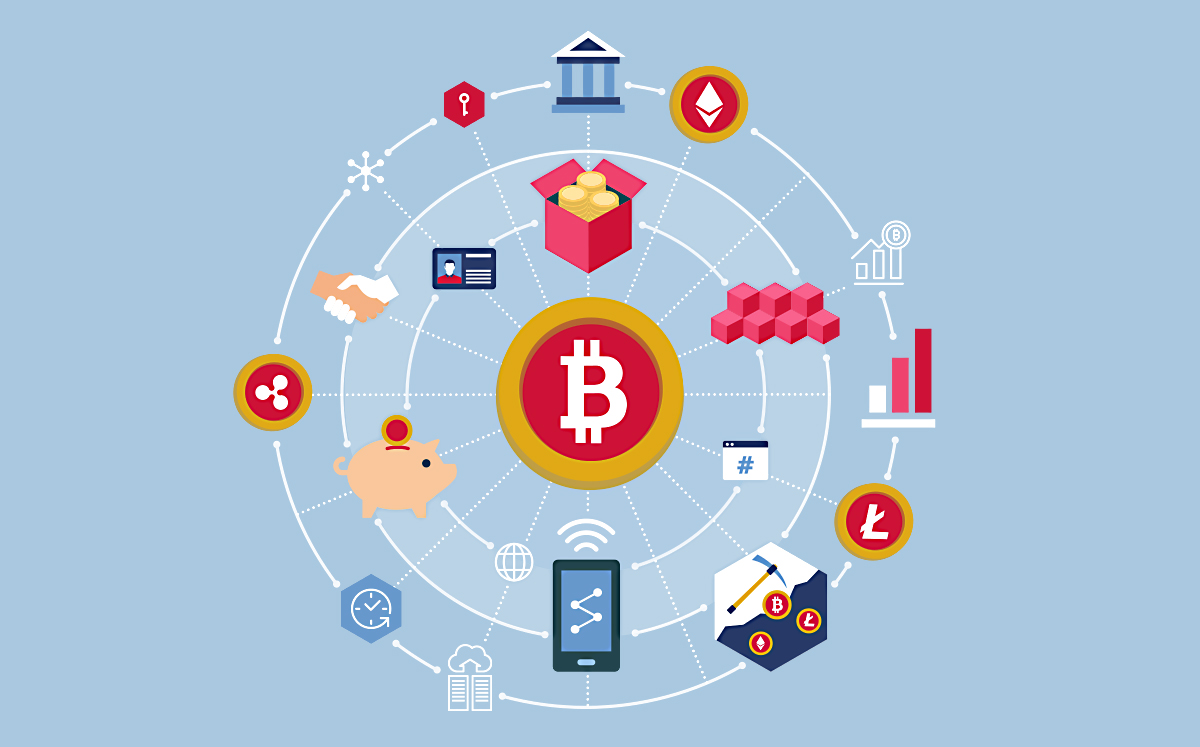
While choosing the right platform mitigates some risks, it's crucial to be aware of the inherent risks of crypto trading itself:
* Volatility: Cryptocurrency prices can be extremely volatile, experiencing rapid and significant price swings.
* Regulatory Risk: The regulatory landscape is still evolving and can change suddenly, impacting platform operations or asset legality.
* Cybersecurity Risk: Despite platform security, individual accounts can be vulnerable to phishing, malware, or weak passwords.
* Scams: The crypto space is rife with fraudulent projects and investment schemes.
* Lack of Reversal: Crypto transactions are generally irreversible, meaning a mistake in sending funds can result in permanent loss.
Always invest only what you can afford to lose and conduct thorough research on any asset before investing.
Future Trends in Cryptoasset Trading Platforms

The landscape of cryptoassettradingplatforms is continuously evolving. We can anticipate several key trends:
* Increased Regulation: Governments worldwide are developing more comprehensive frameworks for crypto, leading to greater standardization and potentially more secure, compliant platforms.
* Hybrid Models: The emergence of platforms that blend aspects of both CEXs and DEXs, offering the best of both worlds in terms of liquidity and user control.
* Enhanced Interoperability: Platforms will likely focus on seamless trading across different blockchains, simplifying cross-chain asset transfers.
* Integration of Traditional Finance: Closer ties between crypto platforms and traditional banking services, making fiat-to-crypto transitions smoother.
* Focus on User Education: Platforms will likely invest more in educational resources to help users navigate the complexities of the crypto market responsibly.
These trends suggest a future where crypto trading becomes more accessible, secure, and integrated into the broader financial ecosystem.
Conclusion
Navigating the world of cryptoassettradingplatforms requires careful consideration and a commitment to due diligence. The right platform can significantly enhance your trading journey, providing security, efficiency, and access to a vast array of digital assets. By prioritizing security, understanding fee structures, evaluating supported assets and liquidity, assessing user experience, and scrutinizing customer support, you can make an informed decision that aligns with your investment goals and risk tolerance. Remember to consider the fundamental differences between centralized and decentralized platforms, and always be aware of the inherent risks of cryptocurrency trading. As the digital asset space continues to mature, choosing a robust and reliable platform will remain the cornerstone of a successful and secure crypto experience.