Beware Crypto Security Risks

The world of cryptocurrency, with its promise of decentralization, innovation, and unprecedented financial opportunities, has captivated millions globally. However, beneath the surface of this exciting frontier lies a complex web of Crypto Security Risks that demand the utmost attention and vigilance from every participant. As digital assets gain mainstream adoption and their market capitalization swells, they become increasingly attractive targets for malicious actors. Understanding these inherent dangers is not merely advisable; it is absolutely essential for anyone looking to navigate this volatile yet rewarding landscape safely.
The decentralized nature of blockchain, while offering many benefits, also presents unique challenges. Unlike traditional finance where centralized institutions bear much of the security burden, in crypto, the primary responsibility often falls squarely on the individual user. This shift requires a paradigm change in how individuals approach their digital asset management, necessitating a proactive and informed stance against a continuously evolving threat landscape. Without adequate precautions, the allure of quick gains can quickly turn into devastating losses, making robust security practices non-negotiable.
The digital realm is rife with sophisticated scams, advanced hacking techniques, and subtle vulnerabilities that can compromise even the most cautious investors. From the moment one acquires cryptocurrency to the point of transaction or storage, every step is a potential vector for attack. Recognizing the diverse nature of these threats, from technical exploits in smart contracts to social engineering ploys targeting human psychology, is the first step towards building a resilient defense. This article aims to shed light on these critical risks and equip you with the knowledge to safeguard your digital wealth.
Understanding the Landscape of Crypto Security Risks
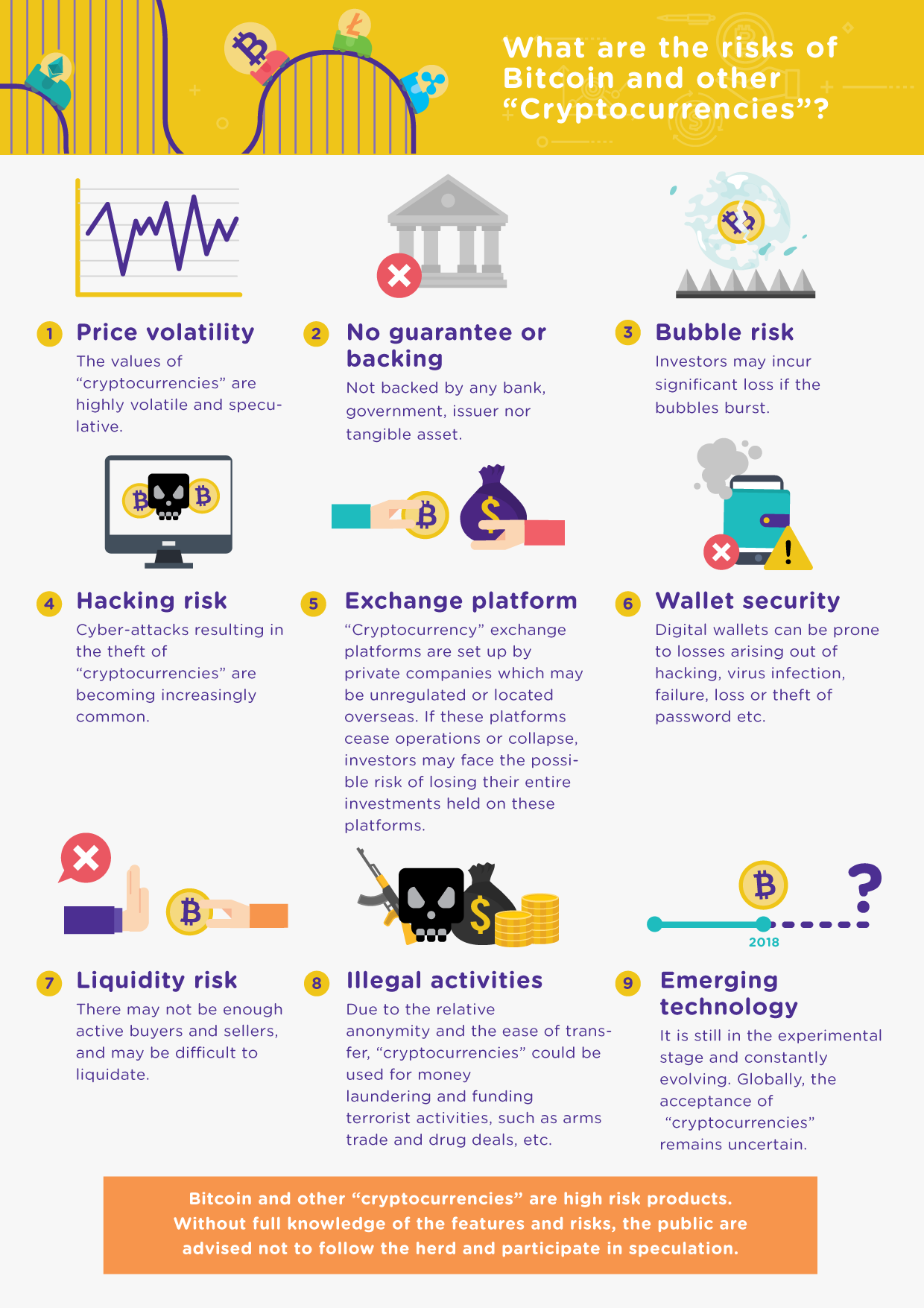
The digital asset ecosystem is vast and interconnected, encompassing everything from individual wallets and centralized exchanges to complex decentralized finance (DeFi) protocols and non-fungible tokens (NFTs). Each component introduces its own set of vulnerabilities, contributing to the overarching Crypto Security Risks that users face. These risks can broadly be categorized into several key areas, ranging from human error to highly technical exploits.
Technical Vulnerabilities and Exploits
At the core of many significant crypto losses are technical flaws within the blockchain infrastructure or the applications built upon it. Smart contracts, which are self-executing contracts with the terms of the agreement directly written into code, are particularly susceptible. Bugs, re-entrancy attacks, flash loan exploits, and oracle manipulations have led to billions of dollars in losses across various DeFi platforms. These vulnerabilities often stem from complex codebases that are difficult to audit thoroughly, creating ripe targets for sophisticated attackers. Furthermore, flaws in the underlying blockchain protocols themselves, though rare, can have widespread catastrophic consequences.
Human Element and Social Engineering
Despite advancements in blockchain technology, the human element remains the weakest link in the security chain. Social engineering attacks prey on human psychology rather than technical flaws. Phishing scams, where attackers impersonate legitimate entities (exchanges, wallet providers, or even popular crypto influencers) to trick users into revealing sensitive information like private keys or seed phrases, are alarmingly common. Scams and rug pulls in decentralized projects, where developers abandon a project after raising funds, are also prevalent, often facilitated by a lack of proper due diligence by investors swayed by hype. SIM swapping attacks, where attackers gain control of a victim's phone number to bypass two-factor authentication (2FA), represent another significant threat.
Centralized Exchange Risks
While convenient, centralized cryptocurrency exchanges (CEXs) present considerable security challenges. They act as large honeypots for hackers, making them prime targets for cyberattacks. Major hacks have resulted in the loss of hundreds of millions of dollars from user accounts on CEXs. Beyond external threats, users also face risks from the exchanges themselves, including insolvency, poor internal security practices, or even regulatory intervention that could freeze assets. When users store their funds on an exchange, they do not hold the private keys, effectively trusting the exchange with their assets – a fundamental deviation from the crypto ethos of self-custody.
Wallet Security Vulnerabilities
The security of your cryptocurrency hinges significantly on how you manage your wallet. Wallets are software or hardware devices that store your private keys, which are essential for accessing and spending your crypto. Hot wallets, which are connected to the internet (e.g., mobile apps, web wallets, exchange wallets), are convenient but more vulnerable to online attacks, malware, and phishing. Cold wallets or hardware wallets, which store keys offline, offer superior security by minimizing exposure to internet-based threats but can still be compromised if the device is lost, stolen, or the seed phrase is insecurely managed.
Key Crypto Security Risks and Their Manifestations

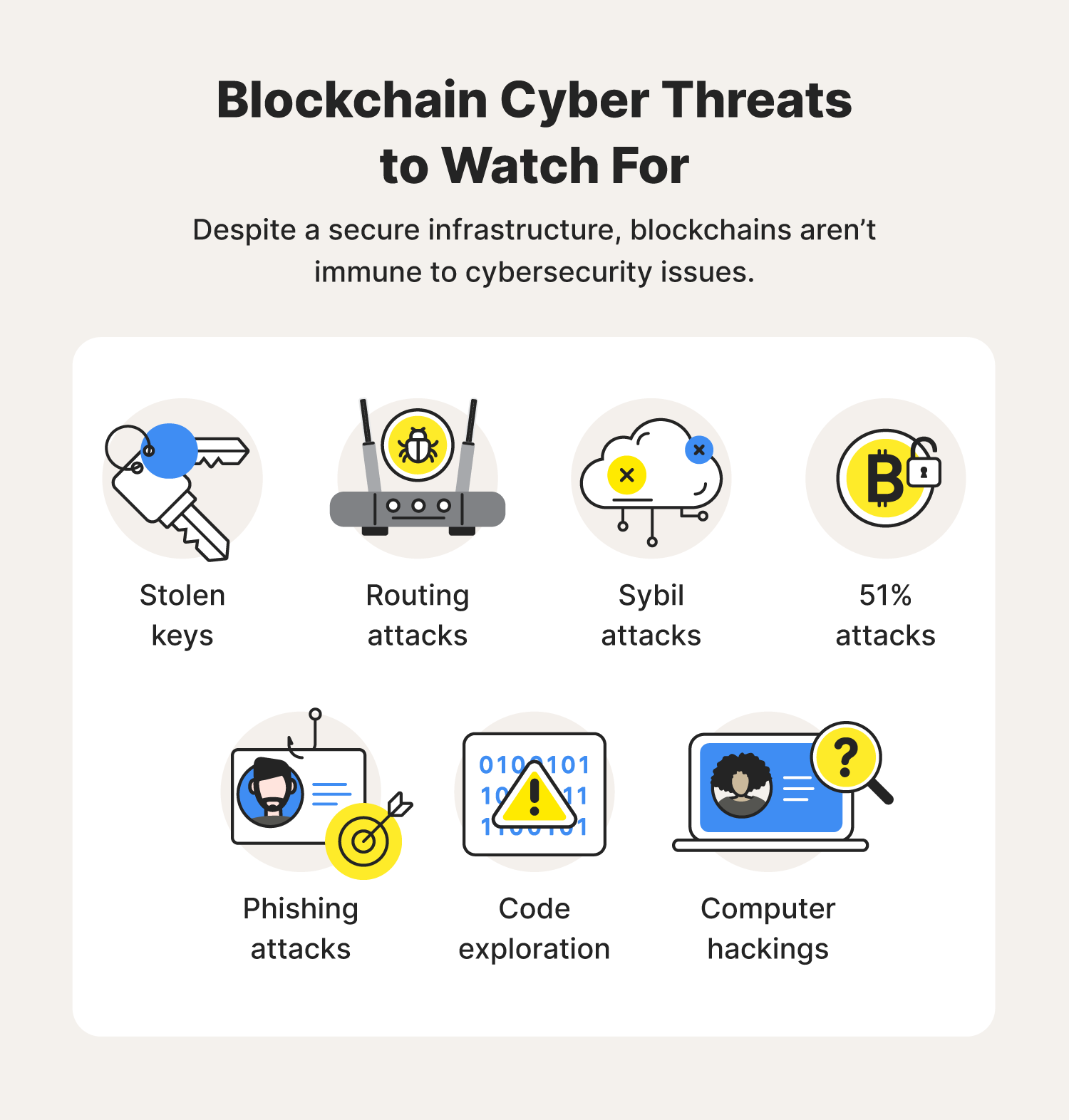
Delving deeper into specific attack vectors helps in understanding how Crypto Security Risks materialize in practice. Each method exploits different weaknesses, from technological loopholes to human trust.
Phishing and Impersonation Scams
These are among the most prevalent and effective types of crypto scams. Attackers create fake websites, emails, or social media profiles that look identical to legitimate crypto services. They then send out messages urging users to "verify" their accounts, "update" their wallet information, or claim a "free" airdrop. Once users input their credentials on these fake sites, the information is stolen, giving the scammers direct access to their funds. The key defense here lies in meticulous verification of URLs and never clicking suspicious links.
Malware and Ransomware Attacks
Malicious software designed to infect devices can pose severe Crypto Security Risks. Malware can range from sophisticated viruses that actively search for wallet files and private keys on your computer to clipboard hijackers that swap legitimate crypto addresses with hacker-controlled ones during transactions. Ransomware encrypts a user's files or entire system and demands cryptocurrency as payment for decryption, often without any guarantee of restoration. Keeping operating systems and antivirus software updated is crucial.
SIM Swapping Attacks
This attack leverages vulnerabilities in telecommunication networks. Scammers trick a mobile carrier into transferring a victim's phone number to a SIM card they control. Once they have control of the phone number, they can often bypass 2FA codes sent via SMS, gaining access to email accounts, exchange accounts, and other sensitive services. Using app-based 2FA (like Google Authenticator) instead of SMS-based 2FA significantly mitigates this risk.
Rug Pulls and Exit Scams
These are common in the decentralized finance (DeFi) and NFT spaces. A rug pull occurs when developers of a new crypto project suddenly abandon it, selling off their holdings and draining the liquidity pool, causing the token's price to plummet to zero. Exit scams are similar but often involve a centralized service or platform disappearing with users' funds. Due diligence, including researching the team, project roadmap, and community sentiment, is vital to avoid these deceptive schemes.
Smart Contract Exploits
Smart contracts, despite their innovative nature, are lines of code and thus susceptible to bugs and vulnerabilities. Exploits can range from re-entrancy attacks (where a malicious contract repeatedly calls a function of a vulnerable contract before it can update its balance, draining funds) to logic errors that allow attackers to mint new tokens or manipulate prices. Audits by reputable security firms are essential for smart contracts, but even audited contracts can sometimes contain undiscovered flaws.
Mitigating Crypto Security Risks: Best Practices for Users
While the range of Crypto Security Risks can seem daunting, adopting robust security practices can significantly reduce your exposure and protect your assets. Proactive measures are the best defense in the fast-paced crypto world.
Prioritize Strong Password Management and 2FA
Never reuse passwords, and always use strong, unique passwords for all your crypto-related accounts (exchanges, wallets, email). A password manager can help. Crucially, enable two-factor authentication (2FA) on every platform that supports it. Opt for authenticator apps (like Google Authenticator or Authy) rather than SMS-based 2FA, which is vulnerable to SIM swap attacks.
Embrace Hardware Wallets for Cold Storage
For significant crypto holdings, a hardware wallet is indispensable. These devices store your private keys offline, making them immune to online hacking attempts. Transactions are signed on the device itself, providing a secure isolated environment. Use hot wallets only for small amounts needed for active trading or immediate spending.
Guard Your Seed Phrase Diligently
Your seed phrase (also known as a recovery phrase or mnemonic phrase) is the master key to your crypto wallet. Anyone with access to your seed phrase can access and control your funds. Write it down physically, store it in multiple secure, undisclosed locations (e.g., a fireproof safe, a safety deposit box), and never store it digitally (e.g., on a computer, cloud storage, or email). Never share it with anyone, under any circumstances.
Conduct Thorough Due Diligence
Before investing in any new project, using a new exchange, or interacting with a DeFi protocol, do your homework. Research the team, read the whitepaper, scrutinize smart contract audit reports, and assess community sentiment. Be wary of projects promising unrealistic returns or lacking transparency. A healthy dose of skepticism can save you from scams and rug pulls.
Stay Alert to Phishing and Social Engineering
Always double-check URLs for exact spelling and security certificates (HTTPS). Be suspicious of unsolicited messages, emails, or direct messages on social media, especially those asking for personal information or private keys. If an offer seems "too good to be true," it almost certainly is a scam. Verify information through official channels only.
Keep Software Updated and Use Secure Networks
Regularly update your operating system, browser, antivirus software, and wallet applications. These updates often include critical security patches that address newly discovered vulnerabilities. Avoid conducting crypto transactions or accessing sensitive accounts on public Wi-Fi networks, which are often unsecure and susceptible to eavesdropping.
The Role of Decentralization and Audits in Addressing Crypto Security Risks
While decentralization can introduce certain complexities, it also offers powerful mechanisms for enhancing security and transparency, particularly when combined with rigorous auditing processes. These elements are key to mitigating some of the most pervasive Crypto Security Risks.
Smart Contract Audits
Given the inherent risks of bugs and exploits in smart contracts, independent security audits have become a crucial step in the development lifecycle of DeFi protocols and blockchain applications. Reputable auditing firms meticulously review code for vulnerabilities, logic flaws, and adherence to best practices. While an audit doesn't guarantee absolute security, it significantly reduces the likelihood of catastrophic exploits. Investors should always look for projects that have undergone comprehensive audits by well-known and trusted firms.
Decentralized Autonomous Organizations (DAOs) and Governance
Many decentralized projects are governed by DAOs, allowing token holders to vote on key decisions, including security upgrades or protocol changes. This distributed governance model can reduce the risk of centralized control and insider threats. However, it also introduces governance risks, such as potential vulnerabilities in the voting mechanism or malicious actors accumulating enough tokens to influence decisions unfairly.
Bug Bounty Programs
To further bolster security, many blockchain projects implement bug bounty programs. These initiatives incentivize ethical hackers and security researchers to identify and report vulnerabilities in their code in exchange for rewards. Bug bounties serve as a vital proactive defense mechanism, allowing projects to patch weaknesses before they can be exploited by malicious actors, thereby enhancing the overall security posture and reducing Crypto Security Risks.
Regulatory Landscape and Future of Crypto Security
The evolving regulatory environment plays a significant role in shaping the future of Crypto Security Risks. Governments and international bodies are increasingly focusing on consumer protection, anti-money laundering (AML), and know-your-customer (KYC) regulations, which can impact how crypto businesses operate and secure user funds.
While increased regulation can sometimes be seen as an impediment to decentralization, it can also force centralized entities (like exchanges) to adhere to stricter security standards, conduct more rigorous due diligence, and implement better recovery mechanisms for users in case of hacks or insolvency. Clearer legal frameworks around digital asset ownership and custody could also provide greater recourse for victims of fraud and theft.
Looking ahead, continuous innovation in cryptography, multi-party computation (MPC), zero-knowledge proofs (ZKPs), and secure hardware enclaves will further enhance the foundational security layers of blockchain technology. Coupled with ongoing user education and the development of more intuitive, secure interfaces, the crypto ecosystem will hopefully become a safer place for all participants, allowing more people to harness its revolutionary potential while minimizing exposure to its inherent dangers.
Conclusion
The world of cryptocurrency offers unparalleled opportunities for financial innovation and freedom, but it is not without its significant challenges. The omnipresent Crypto Security Risks demand a proactive and informed approach from everyone involved. From sophisticated phishing scams and destructive malware to technical vulnerabilities in smart contracts and the inherent risks of centralized exchanges, the threats are diverse and constantly evolving.
However, by understanding these risks and diligently implementing best practices—such as using strong, unique passwords, enabling robust 2FA, leveraging hardware wallets, meticulously guarding seed phrases, and conducting thorough due diligence—individuals can significantly fortify their defenses. The ongoing efforts in smart contract auditing, bug bounty programs, and the potential for improved regulatory oversight also contribute to a safer environment. Ultimately, navigating the crypto landscape securely requires continuous education, vigilance, and a commitment to personal responsibility, ensuring that the transformative potential of digital assets can be realized safely and effectively.