Precision Sales Forecasting for Profit

The ability to accurately predict future sales is more than just a business advantage; it's a fundamental pillar of strategic success. Sales forecasting provides companies with a vital roadmap, enabling them to make informed decisions about resource allocation, inventory management, financial planning, and operational efficiency. Without a precise understanding of potential future revenue, businesses operate in a reactive mode, often leading to missed opportunities, wasted resources, or, worse, financial instability.

In today's dynamic marketplace, where consumer behavior, economic conditions, and competitive landscapes can shift rapidly, the importance of robust sales forecasting has never been greater. It allows organizations to anticipate demand, optimize supply chains, and align marketing and sales efforts to achieve ambitious growth targets. Beyond mere prediction, it fosters a proactive business environment, driving profitability and sustainable expansion.
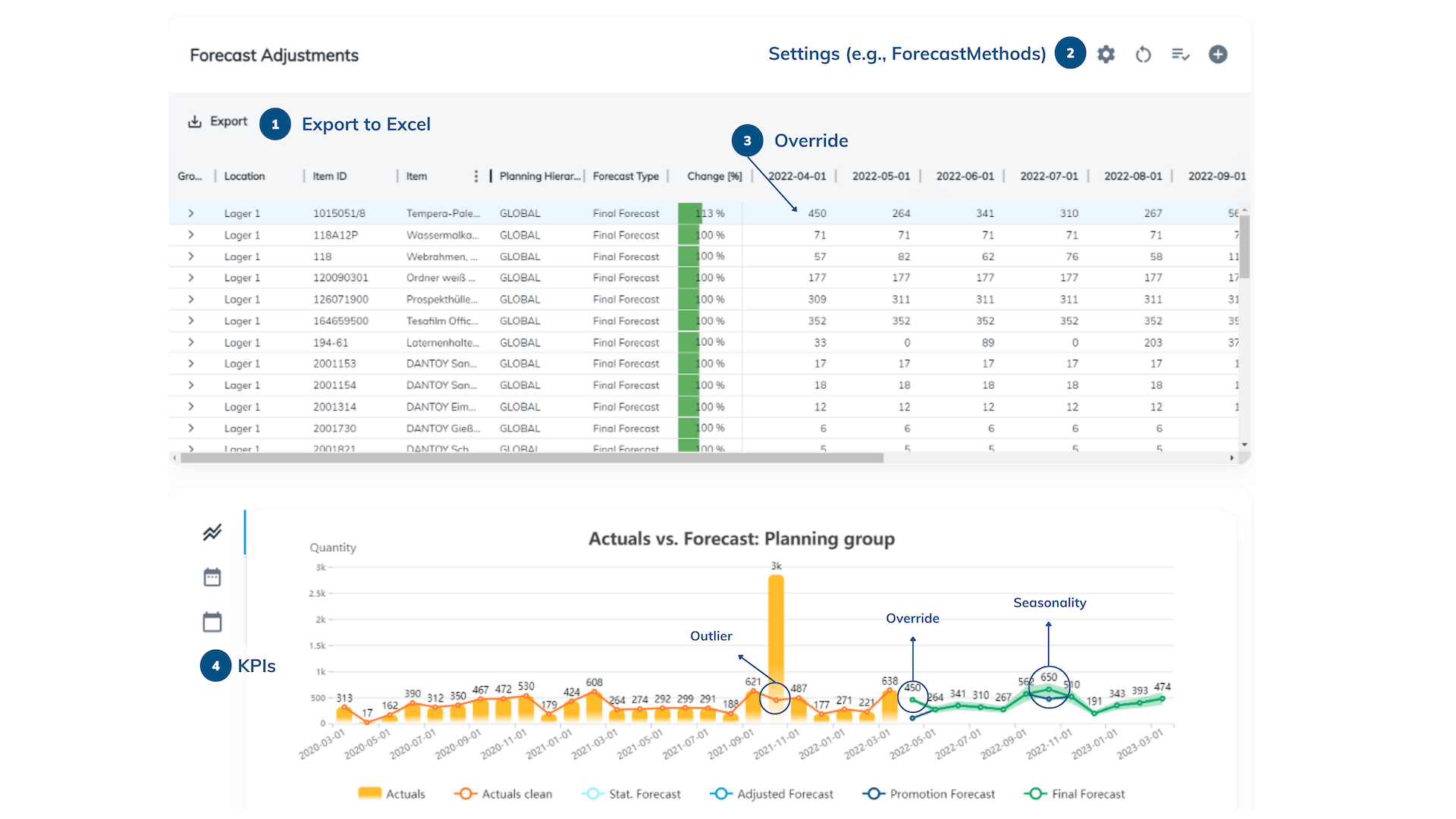
Effective sales forecasting empowers leadership to set realistic goals, manage expectations across departments, and hold teams accountable for performance. It's the lynchpin connecting sales strategy with broader business objectives, ensuring that every department, from production to customer service, is synchronized and working towards a common, data-driven vision.

This comprehensive guide will delve into the nuances of sales forecasting, exploring its methodologies, benefits, challenges, and the technological advancements that are revolutionizing its accuracy and utility. By understanding and implementing precision sales forecasting, businesses can not only predict their future but actively shape it for maximum profit and sustained success.
The Core of Business Strategy: Understanding Sales Forecasting

Sales forecasting is the process of estimating future sales revenue by predicting the number of products or services a company will sell within a specific future period. This prediction is based on historical sales data, industry trends, economic indicators, and qualitative factors such as expert opinions and market research. Unlike a sales target, which is a goal a company wants to achieve, a sales forecast is an informed estimation of what a company can realistically achieve.
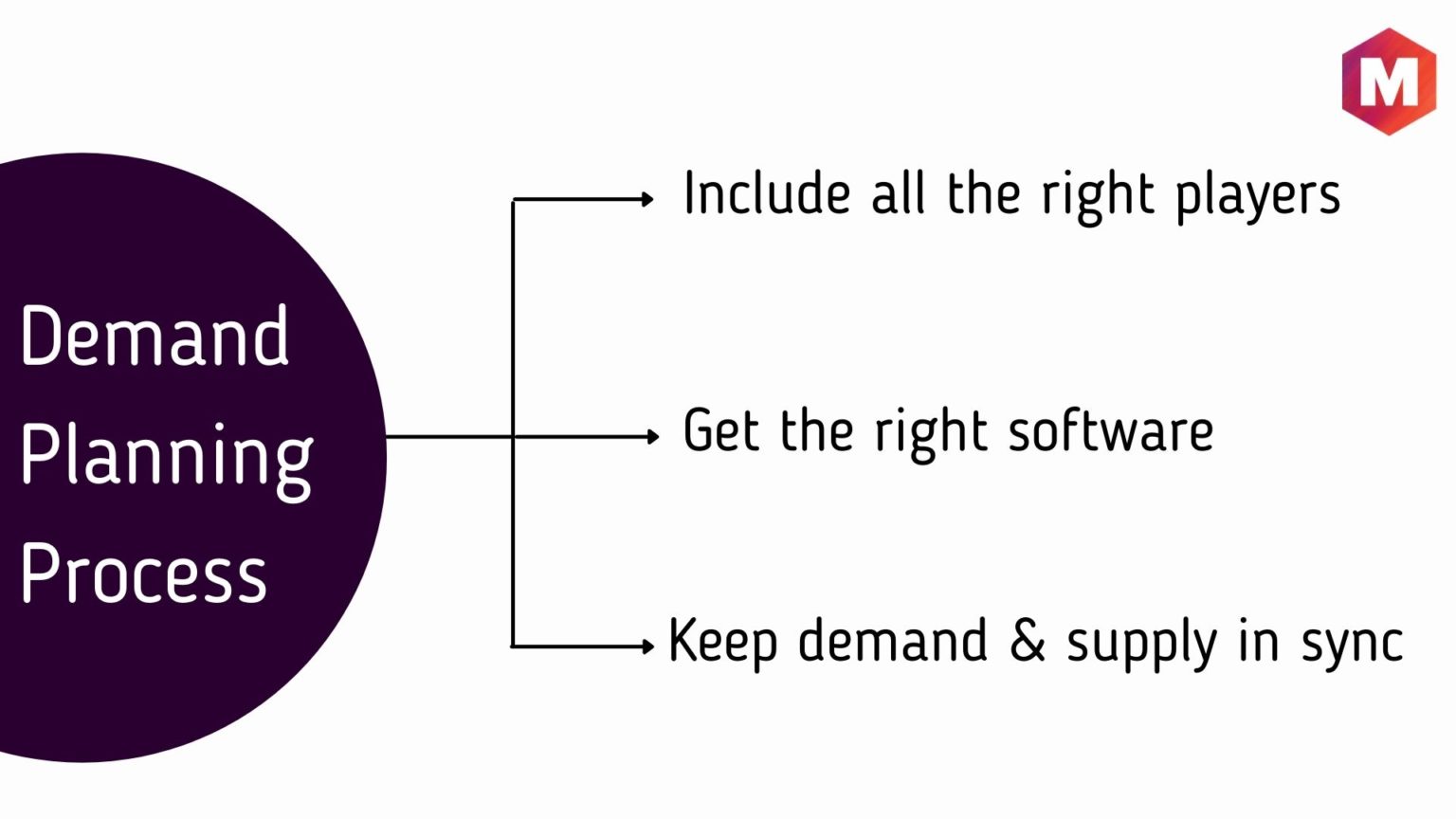
The primary purpose of sales forecasting extends far beyond just revenue projection. It influences virtually every aspect of business operations. For instance, manufacturing departments rely on forecasts to plan production schedules and procure raw materials. Finance departments use them for budgeting, cash flow management, and investment planning. Marketing teams depend on forecasts to allocate advertising spend effectively and design targeted campaigns. Even human resources utilize these predictions to anticipate staffing needs and plan recruitment drives.
Effective sales forecasting requires a blend of art and science. The science involves leveraging quantitative data and statistical models to identify patterns and correlations. The art, on the other hand, comes from incorporating qualitative insights, such as market sentiment, competitive actions, and potential disruptive technologies, which may not be fully captured by historical numbers alone. The synergy between these two approaches leads to more accurate and reliable forecasts.
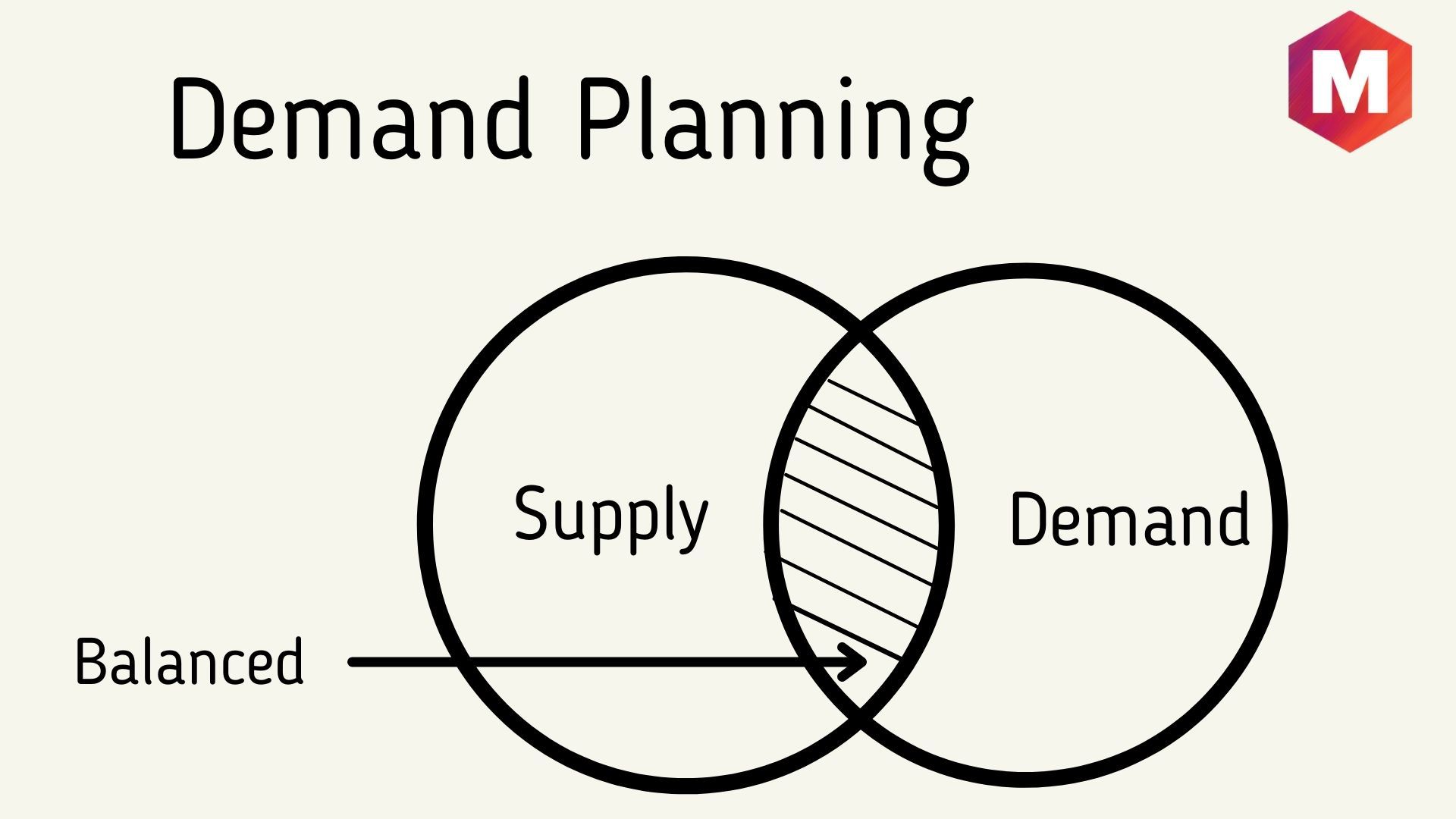
Why Accurate Sales Forecasting is Crucial for Profitability
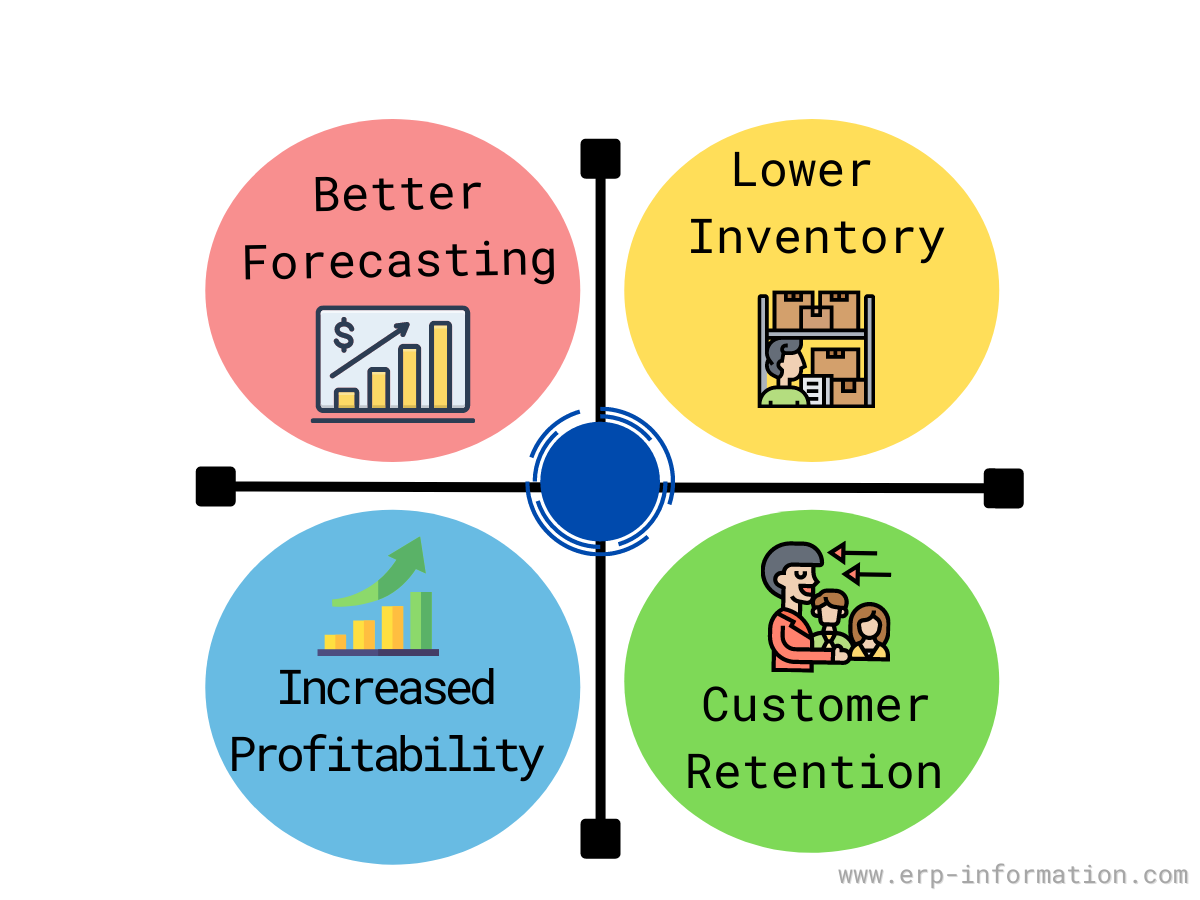
Precision in sales forecasting directly translates into enhanced profitability and operational efficiency. When forecasts are accurate, businesses can make smarter decisions across the board, leading to significant financial advantages.
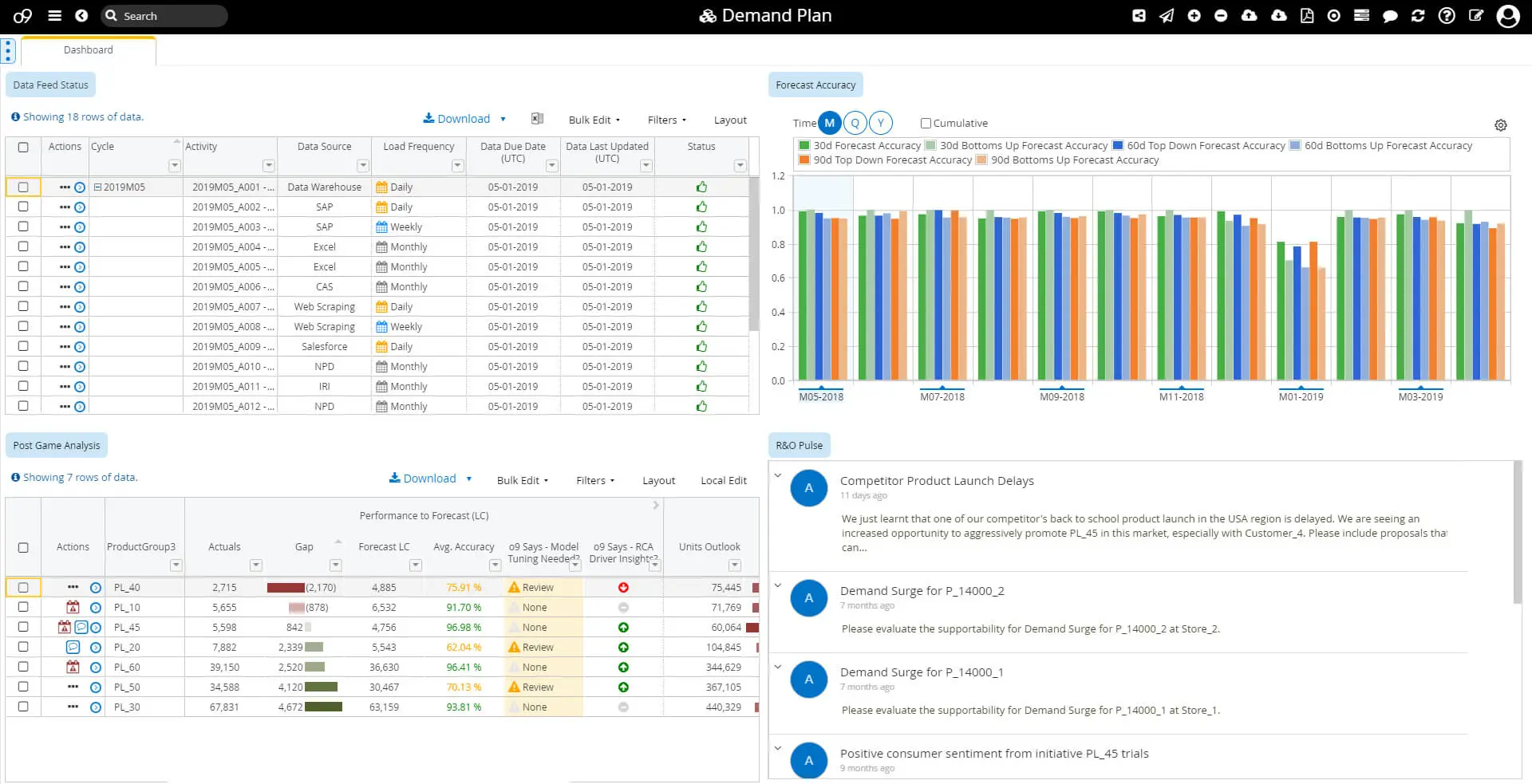
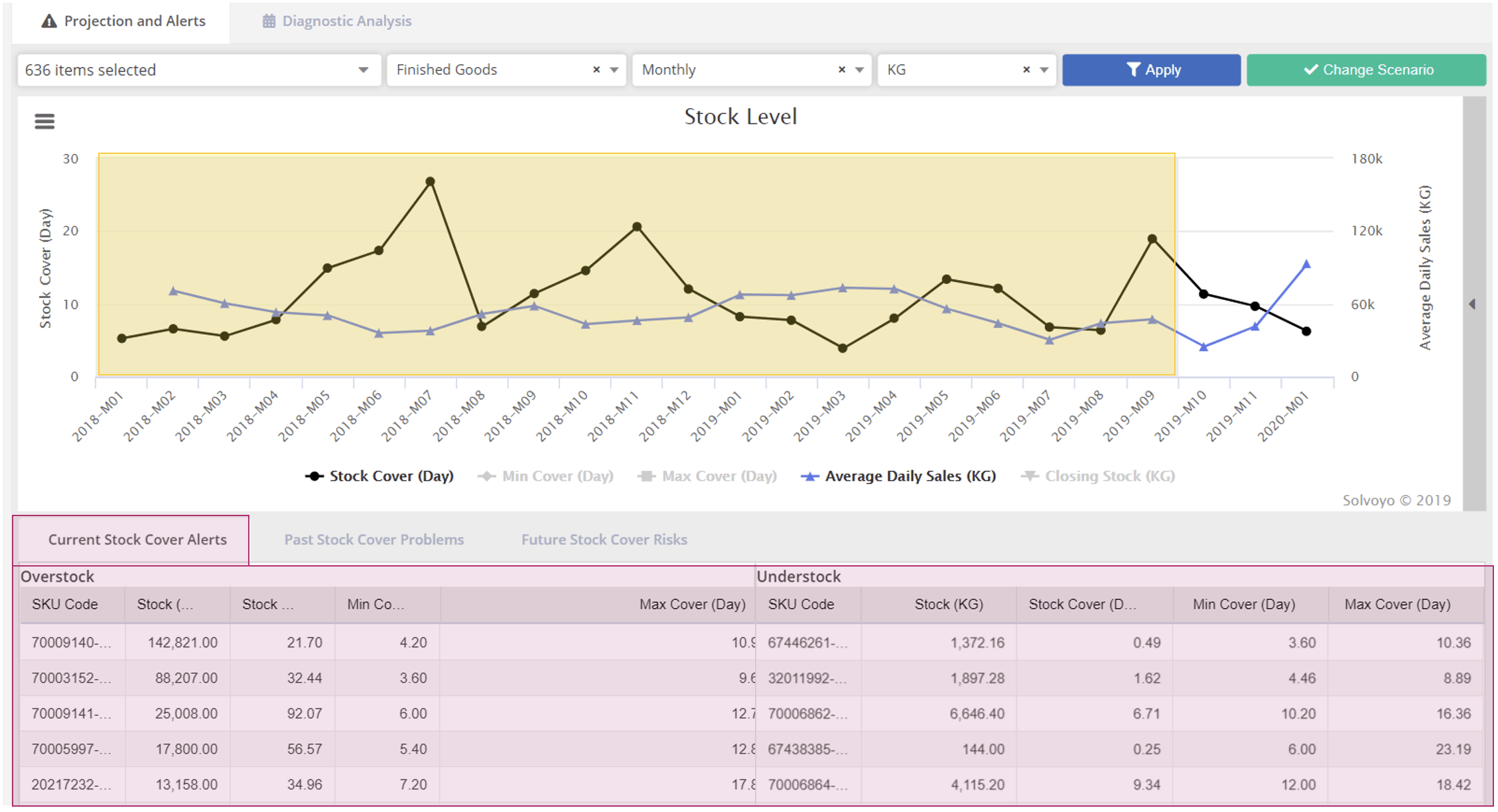
Firstly, it optimizes resource allocation. Over-forecasting can lead to excessive inventory, resulting in storage costs, potential spoilage, and markdowns. Under-forecasting, conversely, can lead to stockouts, lost sales, and dissatisfied customers. Accurate forecasts allow companies to maintain optimal inventory levels, reducing carrying costs and ensuring products are available when customers want them.
Secondly, robust forecasting enables sound financial planning and budgeting. Businesses can confidently project revenue and expenses, manage cash flow, and secure funding if needed. This proactive financial management prevents liquidity crises and supports strategic investments in growth initiatives, ultimately boosting the bottom line.
Thirdly, it facilitates strategic decision-making. Whether it's expanding into new markets, launching new products, or adjusting pricing strategies, accurate sales predictions provide the data foundation for these high-stakes choices. Leaders can assess potential risks and rewards more effectively, leading to strategies that are more likely to succeed and drive profit.
Finally, accurate forecasts improve performance management and accountability. They provide clear, data-driven benchmarks against which sales teams and other departments can measure their success. This clarity fosters motivation, highlights areas for improvement, and ensures that everyone is working towards achievable, profit-oriented goals.
Key Sales Forecasting Methodologies
Selecting the right forecasting methodology is critical, often depending on data availability, industry stability, and the specific forecasting objective. Methodologies generally fall into two broad categories: qualitative and quantitative.
Qualitative Sales Forecasting Methods
Qualitative methods are typically used when historical data is scarce or unreliable, such as for new product launches or entering nascent markets. They rely on expert judgment and subjective assessments.
- Expert Opinion: Gathering insights from experienced individuals within the company (e.g., sales managers, product developers) who have deep market knowledge.
- Delphi Method: A structured communication technique that involves a panel of experts making anonymous predictions, with iterations of feedback to converge on a consensus. This minimizes groupthink bias.
- Market Research: Directly collecting data from potential customers through surveys, interviews, and focus groups to gauge buying intentions and preferences. This is valuable for understanding demand for new offerings.
Quantitative Sales Forecasting Methods
Quantitative methods leverage historical data and statistical analysis to identify patterns and predict future trends. They are generally more objective and preferred when sufficient historical data is available.
- Time Series Analysis: This method analyzes historical sales data over time to identify patterns such as trends (long-term increase/decrease), seasonality (regular fluctuations based on time of year), and cyclical patterns (longer-term economic cycles).
- Moving Average: Calculates the average of sales over a specific past period (e.g., last 3 months) to smooth out short-term fluctuations.
- Exponential Smoothing: Similar to moving average but gives more weight to recent data points.
- ARIMA (AutoRegressive Integrated Moving Average): A more sophisticated statistical model that can capture complex time series patterns.
- Regression Analysis: This method examines the relationship between sales and one or more independent variables (e.g., marketing spend, economic indicators like GDP or inflation, competitor activity). It helps determine how changes in these variables might impact sales.
- Lead-Lag Indicators: Identifying external factors that consistently precede changes in sales. For example, housing starts might be a leading indicator for appliance sales.
Often, the most effective approach combines both qualitative and quantitative methods to cross-validate forecasts and incorporate a holistic view of the market.
Developing an Effective Sales Forecasting Process
Building a robust sales forecasting process involves several structured steps to ensure consistency, accuracy, and actionable insights.
- Define Objectives and Scope: Clearly articulate what the forecast will be used for (e.g., production planning, budget allocation, sales target setting) and over what time horizon (e.g., weekly, monthly, quarterly, annually). This clarity guides data collection and method selection.
- Gather and Clean Data: Collect comprehensive historical sales data. This includes transaction records, customer data, and information on past marketing campaigns or external events that impacted sales. Crucially, clean the data to remove errors, duplicates, and outliers that could skew results.
- Choose Appropriate Methodologies: Based on the objectives, data availability, and the nature of the product/market, select the most suitable qualitative and quantitative forecasting methods. Consider combining methods for increased accuracy.
- Analyze Internal and External Factors:
- Internal: Changes in pricing, product launches/discontinuations, marketing promotions, sales team performance, supply chain disruptions.
- External: Economic conditions (recessions, booms), competitor actions, regulatory changes, technological advancements, shifts in consumer preferences. Incorporate these factors to adjust raw statistical forecasts.
- Develop the Forecast: Apply the chosen methodologies to the data. This might involve statistical software, spreadsheets, or specialized forecasting tools. Generate initial forecasts for various scenarios (e.g., best-case, worst-case, most likely).
- Review, Refine, and Validate: Share the initial forecast with key stakeholders from sales, marketing, finance, and operations. Gather their feedback and adjust the forecast based on their expert insights and real-world intelligence. Validate the forecast against previous periods and adjust for known variables.
- Monitor Performance and Adjust: Once the forecast is in use, continuously track actual sales performance against the predictions. Identify deviations and analyze their root causes. Use this feedback loop to refine forecasting models and processes for future periods. This iterative approach is key to continuous improvement.
Common Challenges in Sales Forecasting
Despite its importance, sales forecasting is rarely straightforward. Several common challenges can undermine accuracy and effectiveness.
One significant hurdle is data quality and availability. Incomplete, inconsistent, or inaccurate historical data can lead to flawed predictions. Businesses often struggle with fragmented data across different systems, making a unified view difficult.
Another challenge is market volatility and external factors. Unforeseen economic downturns, sudden shifts in consumer behavior, new competitive entrants, or global events (like pandemics) can render even the most sophisticated historical models obsolete. Capturing these external dynamics in a quantifiable way is incredibly difficult.
Internal biases can also skew forecasts. Sales teams might be overly optimistic to please management, while finance teams might be overly conservative. Over-reliance on the "gut feeling" of experienced sales leaders, without data validation, can also be problematic.
Furthermore, over-reliance on a single forecasting method can lead to tunnel vision. No single method is perfect for all situations. Businesses that don't diversify their approach or combine qualitative and quantitative insights often miss crucial nuances.
Finally, a lack of clear process and collaboration can create silos. If sales, marketing, finance, and operations don't communicate and contribute to the forecasting process, the resulting predictions will lack the comprehensive perspective needed for accuracy.
Addressing these challenges requires a commitment to data integrity, a flexible and adaptive approach to methodologies, fostering cross-functional collaboration, and continuously training teams on best practices.
Leveraging Technology for Modern Sales Forecasting
The advent of advanced technologies has revolutionized the precision and efficiency of sales forecasting, moving it beyond mere spreadsheet analysis. Modern tools offer significant advantages in handling vast datasets, identifying complex patterns, and providing actionable insights.
Customer Relationship Management (CRM) systems like Salesforce or HubSpot are foundational. They centralize historical sales data, customer interactions, lead sources, and pipeline stages, providing a rich dataset for analysis. CRMs enable sales managers to track individual performance, monitor deal progression, and aggregate pipeline data into overall forecasts.
Artificial Intelligence (AI) and Machine Learning (ML) are at the forefront of modern forecasting. AI/ML algorithms can process massive amounts of data from diverse sources (internal sales, market trends, social media sentiment, weather patterns, competitor data) to identify subtle correlations and predict future sales with remarkable accuracy. They can also adapt to changing conditions and learn from past errors, continuously improving their models. Predictive analytics tools powered by AI can offer scenario planning and sensitivity analysis, helping businesses understand the impact of various factors.
Business Intelligence (BI) and Data Visualization tools (e.g., Tableau, Power BI) transform complex data into intuitive dashboards and reports. These tools make it easier for stakeholders across departments to understand forecasts, spot trends, and identify areas of concern. Visualizing data trends, forecast vs. actual performance, and key contributing factors helps in quicker decision-making and better strategic alignment.
The integration of these technologies allows businesses to automate much of the data collection and processing, freeing up analysts to focus on interpreting results and strategizing rather than manual number crunching. This not only saves time but significantly enhances the precision, agility, and strategic value of sales forecasting.
Best Practices for Precision Sales Forecasting
Achieving precision in sales forecasting is an ongoing journey that requires dedication to best practices and continuous refinement.
Firstly, foster a collaborative approach. Sales forecasting should not be the sole responsibility of one department. Involve sales, marketing, finance, operations, and even customer service teams. Each department offers unique insights that can enrich the forecast. Sales teams provide ground-level intelligence, marketing understands campaign impact, finance ensures budget alignment, and operations deals with supply chain realities.
Secondly, implement regular review and revision cycles. The market is dynamic, and forecasts should be too. Don't create a forecast and forget it. Review it weekly or monthly against actual sales and adjust as new information becomes available. This agile approach ensures the forecast remains relevant and accurate.
Thirdly, embrace scenario planning. Instead of just a single "most likely" forecast, develop multiple scenarios (e.g., optimistic, pessimistic, realistic). This prepares the business for various contingencies and allows for proactive planning regardless of how the market evolves.
Fourthly, invest in training and education. Ensure that everyone involved in the forecasting process understands the methodologies, the data inputs, and their role in contributing to accuracy. A well-informed team is more likely to provide reliable data and insights.
Fifthly, prioritize data quality. Garbage in, garbage out. Implement robust data governance policies to ensure that all historical sales data, customer information, and market intelligence are accurate, complete, and consistently updated. Clean data is the bedrock of precise forecasting.
Finally, maintain transparency and accountability. Clearly communicate the forecast assumptions, methodologies, and limitations to all stakeholders. Hold teams accountable for their contributions and for achieving targets based on the forecast. This fosters trust and encourages ownership of the forecasting process and its outcomes.
Conclusion
Precision sales forecasting is undeniably a cornerstone of profitable and sustainable business growth. It transcends simple prediction, acting as a strategic compass that guides decision-making across all departmental functions, from production and inventory to marketing and financial planning. By understanding and diligently applying the right blend of qualitative and quantitative methodologies, businesses can transform uncertainty into actionable foresight.
While challenges like data quality issues, market volatility, and internal biases persist, modern technological advancements—particularly in AI/ML and integrated CRM systems—offer powerful tools to overcome these hurdles. The key lies in adopting a holistic approach that champions cross-functional collaboration, continuous review, scenario planning, and an unwavering commitment to data integrity.
Ultimately, businesses that master the art and science of sales forecasting are better equipped to optimize resource allocation, manage cash flow effectively, seize emerging opportunities, and mitigate risks. This strategic foresight directly translates into enhanced operational efficiency, reduced costs, and a significant boost to the bottom line, ensuring long-term profitability and a competitive edge in an ever-evolving marketplace.