Unlock Growth with Financial Forecasting

Navigating the complexities of the modern business landscape demands more than just a clear vision; it requires a pragmatic approach to future financial performance. This is where financial forecasting plays an indispensable role, offering businesses a forward-looking perspective on their potential revenues, expenses, and overall financial health. Unlike mere guesswork, it employs systematic methods to predict future financial outcomes based on historical data, current trends, and anticipated events. For any organization aiming for sustainable expansion and profitability, understanding and implementing robust forecasting techniques is not just beneficial, but absolutely critical.

Effective financial forecasting empowers leaders to make proactive decisions, anticipate challenges, and seize opportunities before they fully materialize. It transforms uncertainty into manageable probabilities, allowing companies to allocate resources more efficiently, manage cash flow effectively, and set realistic goals. In essence, it serves as a sophisticated compass, guiding businesses through volatile markets and towards their strategic objectives.

Without a solid financial forecast, businesses often operate in the dark, reacting to events rather than shaping their future. This reactive stance can lead to missed growth opportunities, cash flow crises, and an inability to adapt to market shifts. Conversely, a well-executed forecast provides the clarity needed to attract investors, secure financing, and build stakeholder confidence by demonstrating a clear path to financial stability and growth.

This article will delve into the core aspects of financial forecasting, exploring its fundamental importance, various methodologies, common challenges, and best practices. By the end, you will understand how to leverage this powerful tool to unlock significant growth and ensure the long-term viability of your enterprise.
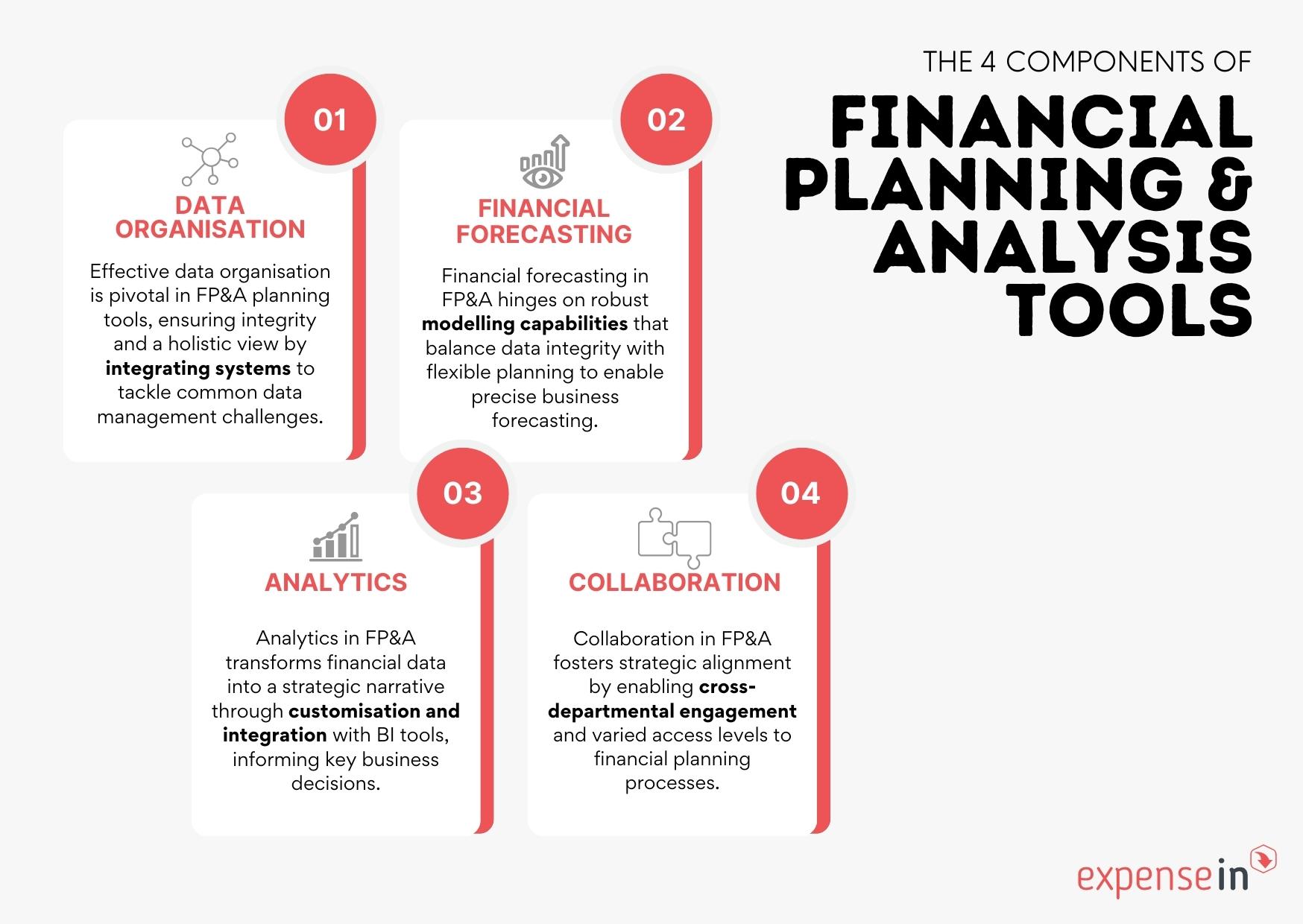
What is Financial Forecasting?

Financial forecasting is the process of estimating the future financial performance of a company. It involves using a combination of historical data, current market conditions, and reasonable assumptions to project future revenues, expenses, profits, and cash flows. The primary objective is to provide management with a clear, data-driven picture of what the company's financial position is likely to be over a specified period, typically ranging from a few months to several years.

It’s crucial to distinguish financial forecasting from budgeting. While both involve future financial planning, they serve different purposes. A budget is a financial plan for a specific period, outlining expected revenues and expenditures with the goal of controlling costs and allocating resources. It’s often a fixed target that an organization strives to meet. A forecast, on the other hand, is a prediction of what will happen based on current information and trends. It’s more flexible and updated frequently to reflect new developments, allowing for adjustments to the budget and strategic plans as circumstances evolve.

The Indispensable Role of Financial Forecasting in Business Growth
The ability to accurately predict financial outcomes is a cornerstone of effective business management and a key driver of growth. Financial forecasting provides numerous strategic advantages that directly contribute to a company’s expansion and long-term success.

Strategic Decision-Making and Planning
Forecasting offers the data and insights necessary for informed strategic decision-making. Whether it's planning for expansion into new markets, developing new products, or evaluating potential mergers and acquisitions, reliable forecasts provide the financial context. They help management assess the potential impact of various strategies on profitability, liquidity, and overall financial health, enabling choices that align with long-term growth objectives.

Optimized Resource Allocation
By predicting future financial needs and availability, businesses can optimize the allocation of their resources—capital, human resources, and operational assets. Forecasts help identify periods of potential cash surplus or deficit, allowing companies to plan for investments, secure financing proactively, or reduce unnecessary expenditures. This optimized allocation ensures that resources are deployed where they can generate the highest return, fueling growth efficiently.

Effective Risk Management
Every business faces risks, from market downturns and supply chain disruptions to competitor actions. Financial forecasting serves as an early warning system, highlighting potential financial challenges before they become critical. By modeling different scenarios (e.g., best-case, worst-case, most likely), companies can prepare contingency plans, develop risk mitigation strategies, and build resilience against unforeseen events, thereby protecting their growth trajectory.
Enhanced Investor Confidence and Fundraising
For businesses seeking capital, whether from banks, venture capitalists, or private equity firms, a well-developed financial forecast is paramount. It demonstrates a clear understanding of the business model, market dynamics, and a credible path to profitability and return on investment. A robust forecast instills confidence in potential investors and lenders, making it easier to secure the necessary funding for growth initiatives.
Performance Monitoring and Accountability
Financial forecasts provide a benchmark against which actual performance can be measured. Regular comparisons between forecasted and actual results allow management to identify variances, understand underlying causes, and take corrective action. This continuous monitoring fosters accountability across departments and helps refine future forecasts, leading to more accurate predictions and improved operational efficiency over time.
Types of Financial Forecasting
Financial forecasting isn't a one-size-fits-all exercise. Different types of forecasts focus on specific financial aspects and serve distinct purposes.
Sales Forecasting
This is often the foundation of all other financial forecasts. Sales forecasting predicts future sales revenue, usually broken down by product, service, customer segment, or region. It considers historical sales data, market trends, economic indicators, marketing initiatives, and competitive landscapes. Accurate sales forecasts are critical for production planning, inventory management, and staffing decisions.
Cash Flow Forecasting
Perhaps one of the most vital types of forecasting, cash flow forecasting predicts the inflows and outflows of cash over a specific period. It helps businesses understand their liquidity position, ensuring they have enough cash to cover operational expenses, invest in growth, and meet debt obligations. It's crucial for avoiding cash shortages or identifying surplus cash for investment.
Profit and Loss (P&L) Forecasting
Also known as income statement forecasting, this predicts future revenues, costs of goods sold, operating expenses, and ultimately, net profit or loss. It provides a comprehensive view of the company's expected profitability and is essential for setting profit targets, managing costs, and evaluating the financial impact of strategic decisions.
Balance Sheet Forecasting
This involves projecting the future state of a company's assets, liabilities, and equity. It relies heavily on sales, cash flow, and P&L forecasts. Balance sheet forecasting helps assess future financial stability, solvency, and capital structure, which is particularly important for long-term strategic planning and capital management.
Short-Term vs. Long-Term Forecasting
- Short-term forecasts typically cover periods of up to 12 months, focusing on immediate operational needs like cash flow and working capital management. They are more detailed and frequently updated.
- Long-term forecasts extend beyond one year, often 3-5 years or even longer. They are less detailed but crucial for strategic planning, capital expenditure decisions, and assessing long-term viability and growth potential.
Common Financial Forecasting Methods
Selecting the right forecasting method depends on the available data, the time horizon, and the level of accuracy required. Methods generally fall into two categories: qualitative and quantitative.
Qualitative Methods
These methods are used when historical data is scarce or unreliable, often in new businesses, product launches, or rapidly changing markets. They rely on expert judgment and subjective assessments.
- Expert Opinion: Gathering insights from experienced internal staff (sales teams, executives) or external consultants.
- Delphi Method: A structured communication technique designed to elicit opinions from a panel of experts through anonymous questionnaires, with iterative feedback rounds until a consensus is reached.
- Market Research: Surveys, focus groups, and customer interviews to gauge potential demand and market sentiment.
Quantitative Methods
These methods rely on historical data and statistical analysis to predict future outcomes. They are more objective and suited for stable environments with ample data.
- Time Series Analysis: This method assumes that historical patterns will continue into the future.
- Moving Averages: Calculates the average of a specific number of past data points to smooth out fluctuations and identify trends.
- Exponential Smoothing: Similar to moving averages but gives more weight to recent data points, making it more responsive to recent changes.
- Trend Analysis: Identifies a long-term upward or downward movement in data, often using linear regression.
- Seasonal Analysis: Accounts for predictable patterns that repeat over a calendar year (e.g., increased sales during holidays).
- Causal Methods: These methods identify cause-and-effect relationships between variables.
- Regression Analysis: A statistical technique used to model the relationship between a dependent variable (e.g., sales) and one or more independent variables (e.g., advertising spend, economic growth). Simple regression involves one independent variable, while multiple regression uses several.
- Econometric Models: Sophisticated models that use economic theory and statistical techniques to predict economic variables, which can then be used to inform financial forecasts.
Key Steps to Implement Effective Financial Forecasting
Building a robust financial forecasting process involves several structured steps, ensuring accuracy and utility.
- Define Objectives and Scope: Clearly articulate what the forecast aims to achieve (e.g., evaluate profitability, manage cash, support expansion plans) and the time horizon it will cover (short-term, long-term).
- Gather and Clean Data: Collect relevant historical financial data (sales, expenses, balance sheet items) and ensure its accuracy and completeness. Inaccurate data will lead to inaccurate forecasts.
- Choose Appropriate Methods: Select the most suitable qualitative and/or quantitative forecasting methods based on data availability, business context, and forecasting objectives. Often, a combination of methods yields the best results.
- Identify Key Assumptions: Document all underlying assumptions about future conditions, such as economic growth rates, market share, pricing strategies, inflation, interest rates, and operational changes. These assumptions are critical and should be transparent.
- Develop the Forecast Model: Build the financial model (often in spreadsheets or specialized software) that integrates historical data, chosen methods, and assumptions to generate projections for sales, P&L, cash flow, and the balance sheet.
- Analyze and Validate Results: Review the forecast for reasonableness and consistency. Conduct sensitivity analysis to understand how changes in key assumptions impact the outcomes. Compare forecasts against actual results periodically.
- Review and Refine: Financial forecasting is an iterative process. Regularly review the forecast, compare it to actual performance, identify discrepancies, and refine the model and assumptions based on new information and changing market conditions. This continuous improvement is vital for accuracy.
Challenges in Financial Forecasting
Despite its undeniable benefits, financial forecasting is not without its challenges. Recognizing these can help mitigate their impact.
- Data Accuracy and Availability: Poor quality or insufficient historical data is a significant impediment. Missing data, errors, or inconsistent reporting can undermine the reliability of any forecast.
- Market Volatility and Uncertainty: External factors like economic downturns, geopolitical events, technological disruptions, and rapid shifts in consumer behavior can make predictions extremely difficult.
- Unforeseen Events (Black Swans): Events like global pandemics, natural disasters, or sudden regulatory changes are almost impossible to predict and can drastically alter financial outcomes, rendering existing forecasts obsolete.
- Assumptions Bias: The quality of a forecast heavily relies on its underlying assumptions. Human bias, either optimistic or pessimistic, can skew these assumptions and lead to inaccurate predictions.
- Integration with Other Systems: For comprehensive forecasting, financial data needs to be integrated from various departments (sales, operations, marketing). Lack of seamless integration can lead to data silos and inconsistencies.
- Complexity of Business Operations: For large, diversified organizations, the sheer complexity of operations, multiple product lines, and global presence can make consolidated forecasting a formidable task.
Best Practices for Robust Financial Forecasting
To overcome challenges and maximize the value of financial forecasting, consider these best practices:
- Combine Multiple Methods: Relying on a single method can be risky. Integrating qualitative insights with quantitative analysis, and using different quantitative models, provides a more balanced and accurate view.
- Collaborate Across Departments: Financial forecasting is not solely an accounting or finance function. Involve sales, marketing, operations, and HR teams to gather diverse perspectives and ensure that forecasts reflect operational realities and strategic initiatives.
- Regularly Review and Update: Forecasts are living documents. Review them frequently (e.g., monthly or quarterly) against actual performance and update them to incorporate new information, market changes, and revised assumptions.
- Implement Scenario Planning: Develop best-case, worst-case, and most-likely scenarios. This prepares the organization for various outcomes, allows for proactive risk mitigation, and identifies potential upside opportunities.
- Leverage Technology: Utilize financial planning and analysis (FP&A) software, enterprise resource planning (ERP) systems, and advanced analytics tools. These technologies can automate data collection, streamline model building, perform complex calculations, and facilitate scenario analysis, significantly improving efficiency and accuracy.
- Focus on Key Drivers: Identify the handful of variables that have the most significant impact on your business's financial performance. Concentrating on these key drivers can simplify the forecasting process without sacrificing accuracy.
- Document Assumptions and Changes: Maintain clear documentation of all assumptions, data sources, and any changes made to the forecast. This transparency is crucial for understanding the forecast's basis and for audit purposes.
The Impact of Technology on Financial Forecasting
Technological advancements have revolutionized the field of financial forecasting. Modern software and tools have moved forecasting beyond simple spreadsheets to more sophisticated, integrated, and dynamic systems.
- Artificial Intelligence (AI) and Machine Learning (ML): AI and ML algorithms can process vast amounts of data, identify complex patterns, and make highly accurate predictions, often surpassing human capabilities. They can uncover non-obvious correlations and adapt models as new data becomes available.
- Advanced Analytics and Predictive Modeling: Dedicated analytics platforms offer powerful statistical tools and predictive models that can handle large datasets and complex variables, providing deeper insights and more precise forecasts.
- Cloud-Based FP&A Solutions: Cloud software enables real-time collaboration, centralized data management, and accessibility from anywhere, making the forecasting process more agile and efficient, especially for distributed teams.
- Integration with ERP Systems: Seamless integration between forecasting tools and ERP systems ensures that financial forecasts are built upon the most current operational and financial data, reducing manual effort and improving data consistency.
These technologies empower finance teams to spend less time on data collection and manipulation and more time on analysis, interpretation, and strategic advising, turning forecasting into a true strategic asset.
Conclusion
Financial forecasting is far more than a routine financial exercise; it is a strategic imperative for any business aiming to achieve sustainable growth and navigate an increasingly unpredictable world. By providing a clear, data-driven window into the future, it enables informed decision-making, optimized resource allocation, effective risk management, and enhanced stakeholder confidence. From predicting sales and managing cash flow to projecting overall profitability, robust financial forecasting empowers organizations to be proactive rather than reactive.
While challenges such as data quality and market volatility persist, leveraging a combination of appropriate methodologies, embracing best practices like scenario planning and cross-departmental collaboration, and harnessing the power of modern technology can significantly enhance forecasting accuracy and utility. In essence, financial forecasting transforms uncertainty into actionable intelligence, providing the compass that guides businesses towards their growth potential and secures their long-term viability. Mastering this discipline is not just about predicting the future; it's about actively shaping it.