Craft Your Winning Business Model Canvas

The foundation of any successful venture, whether a startup or an established enterprise, lies in a clear understanding of its operational blueprint. This is precisely where the business model canvas emerges as an indispensable strategic management tool. It offers a standardized visual chart for describing, designing, challenging, and inventing business models. Far from being a mere academic exercise, this powerful framework, pioneered by Alexander Osterwalder, provides a holistic view of a company's most critical components, fostering clarity and alignment among stakeholders.

In an increasingly dynamic market, the ability to articulate and adapt your business model is paramount. The canvas demystifies complex business strategies by breaking them down into nine essential building blocks, each representing a crucial aspect of how an organization creates, delivers, and captures value. This visual approach encourages a more intuitive and collaborative understanding, moving beyond lengthy, often outdated, business plans to a living document that can be iterated and refined.
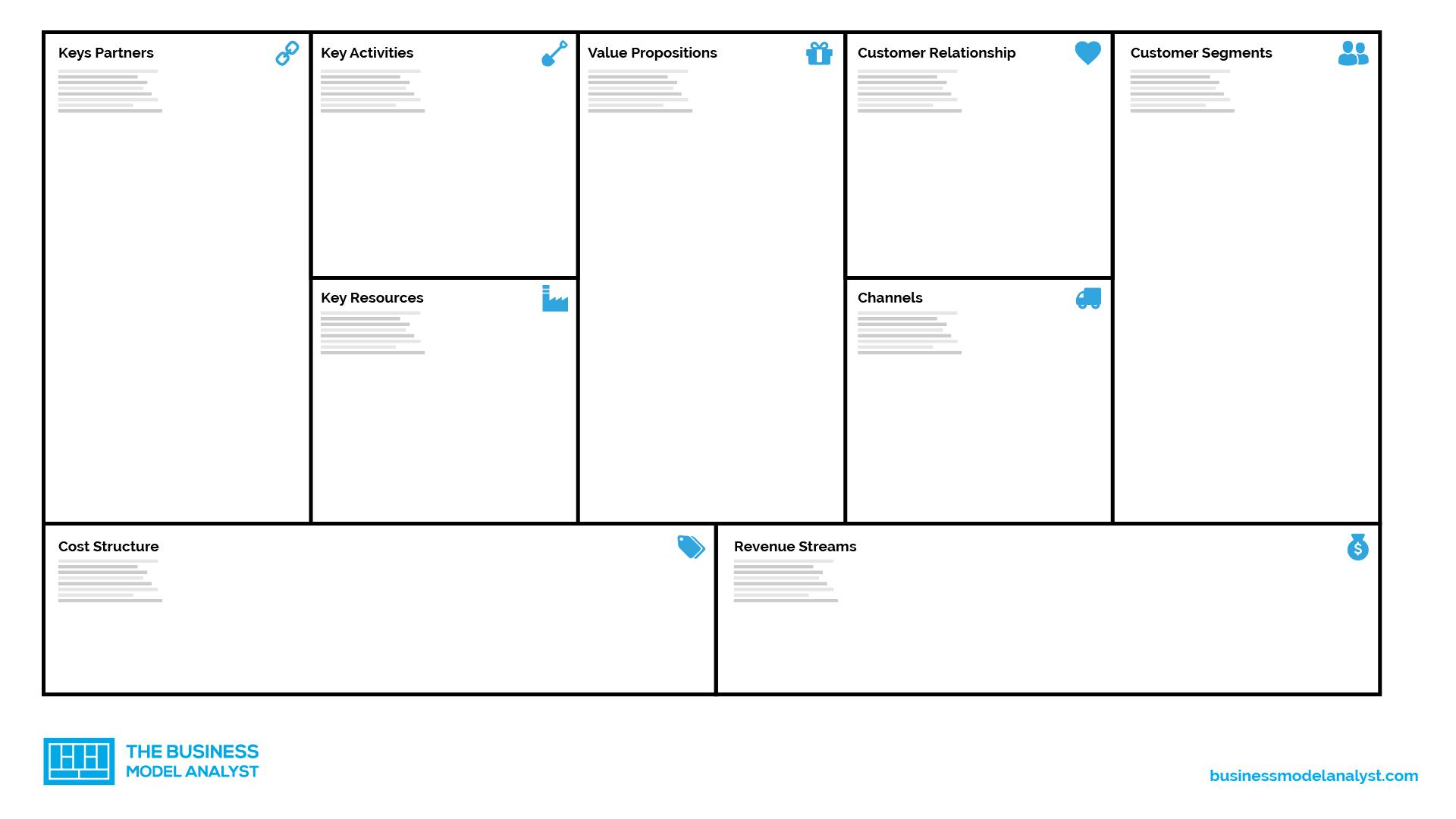
This article will delve deep into the intricacies of the business model canvas, dissecting each of its nine components to show you how they interconnect and contribute to a coherent strategy. We will explore its benefits, practical applications, and how it can serve as a catalyst for innovation and sustainable growth. By the end, you’ll possess the knowledge to effectively craft and refine your own winning business model.
What is the Business Model Canvas?
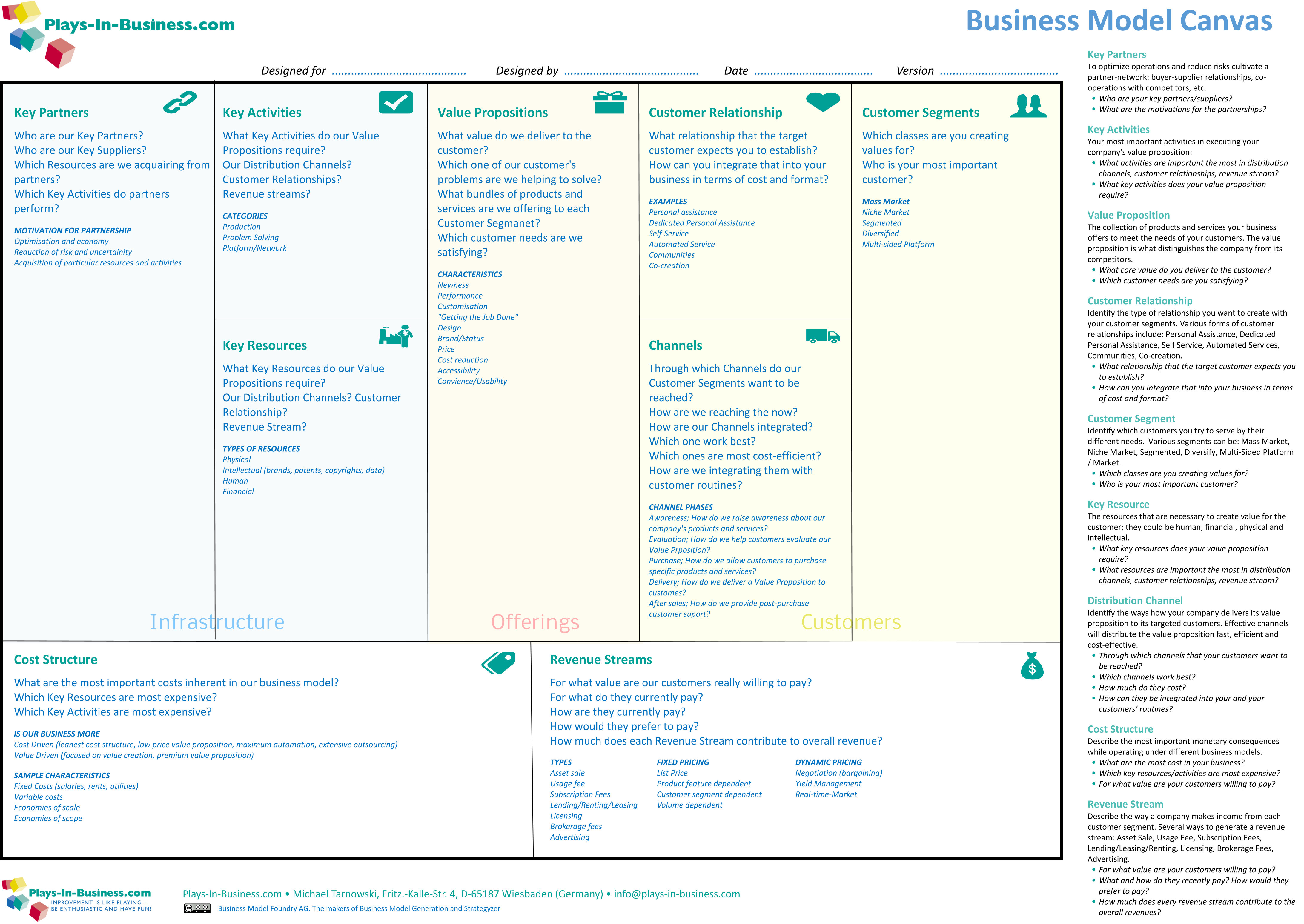
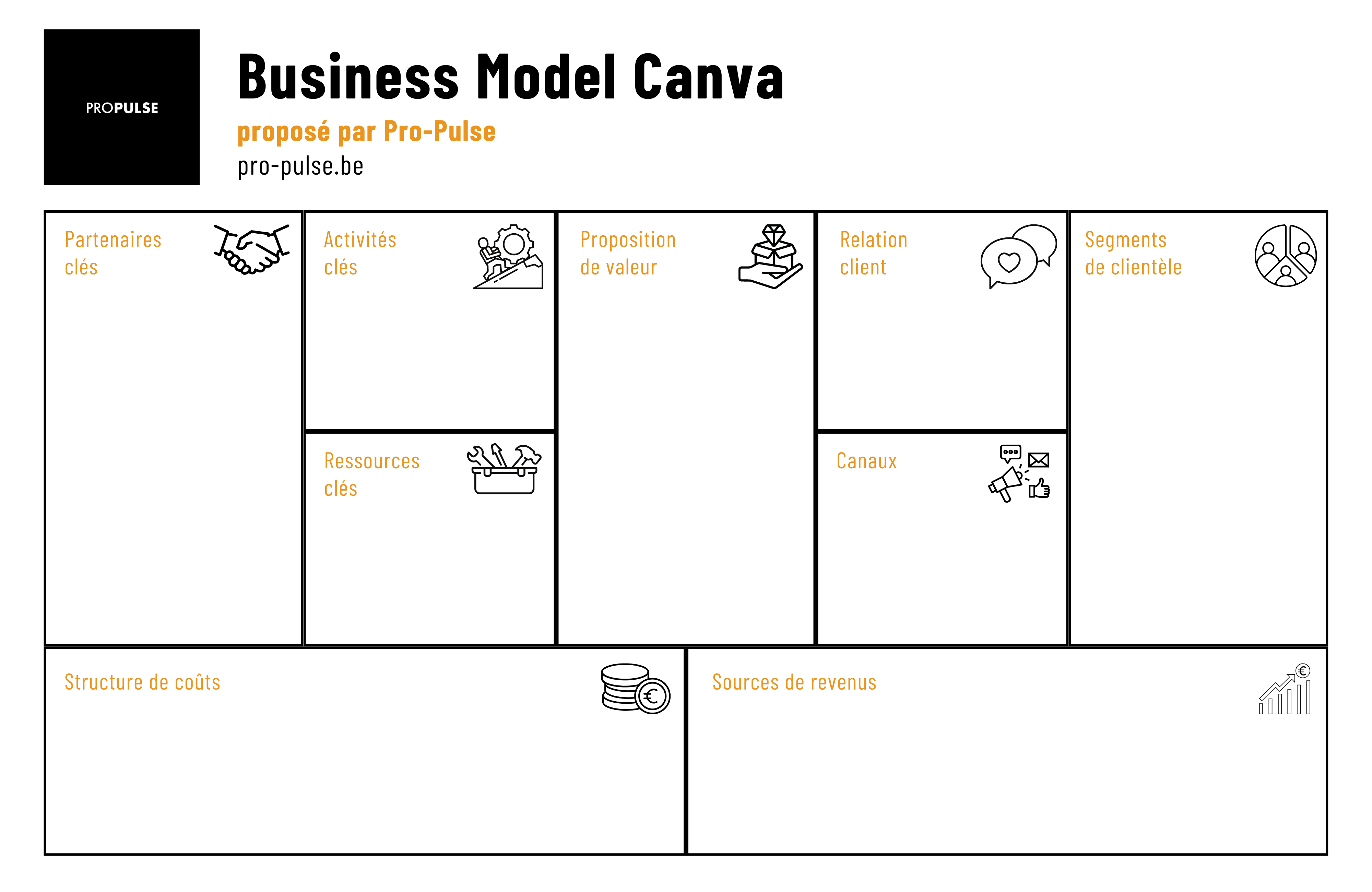
At its core, the business model canvas is a single-page document that summarizes your business model. It's a strategic template for developing new or documenting existing business models, laying out the value proposition, infrastructure, customers, and finances. Unlike traditional business plans that can be rigid and cumbersome, the canvas is designed to be agile, intuitive, and highly visual. Its simplicity makes it accessible to a wide range of individuals, from entrepreneurs and product managers to corporate executives.

Developed by Alexander Osterwalder and Yves Pigneur, the canvas became widely popular through their book "Business Model Generation." Its primary purpose is to help organizations understand how different parts of their business interact and influence each other. This holistic view is crucial for identifying areas of strength, weakness, potential for innovation, and opportunities for cost reduction or value creation. It serves as a common language for discussing and evolving business ideas, promoting a shared understanding across teams and departments.
The Nine Building Blocks of the Business Model Canvas
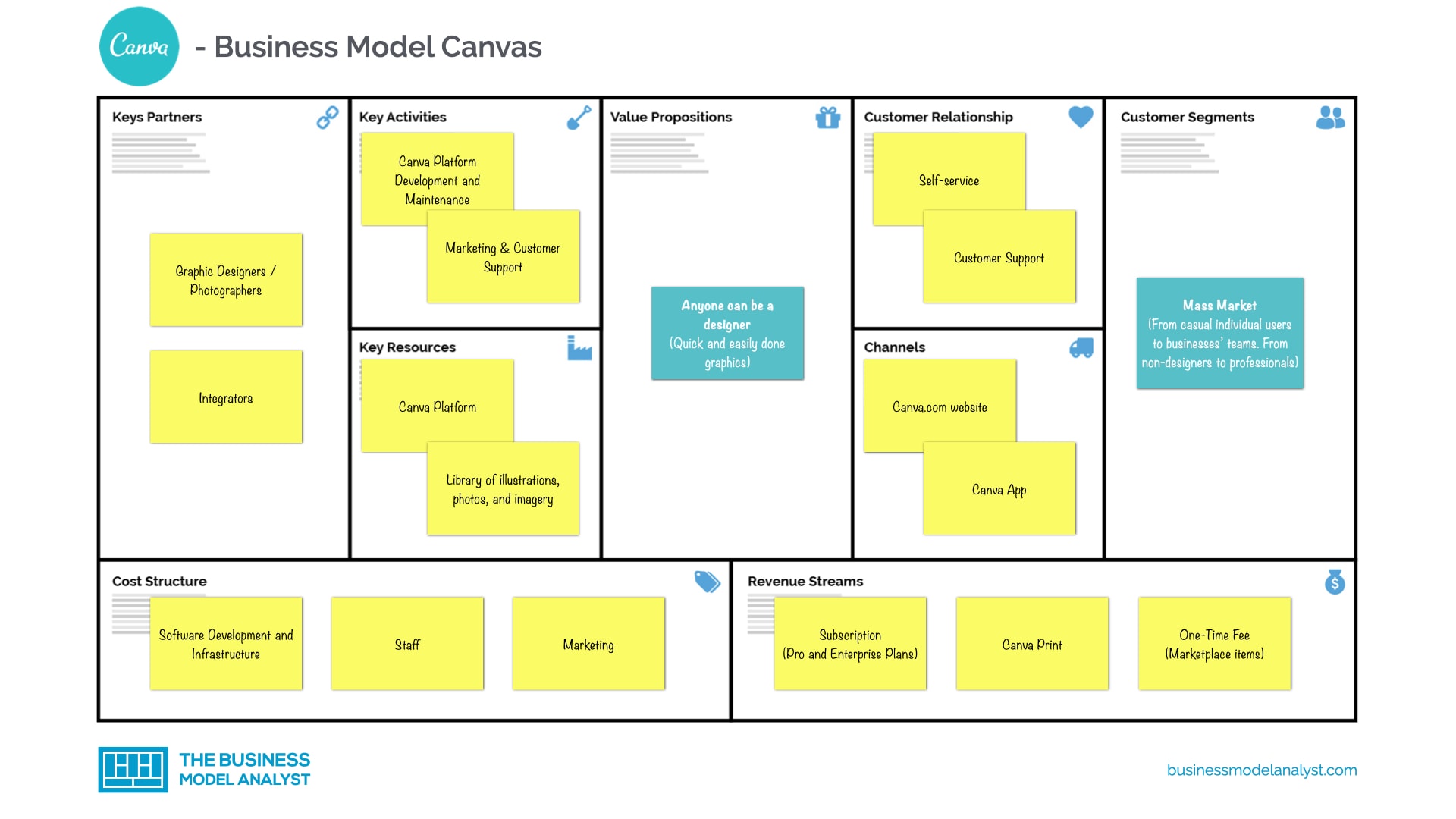
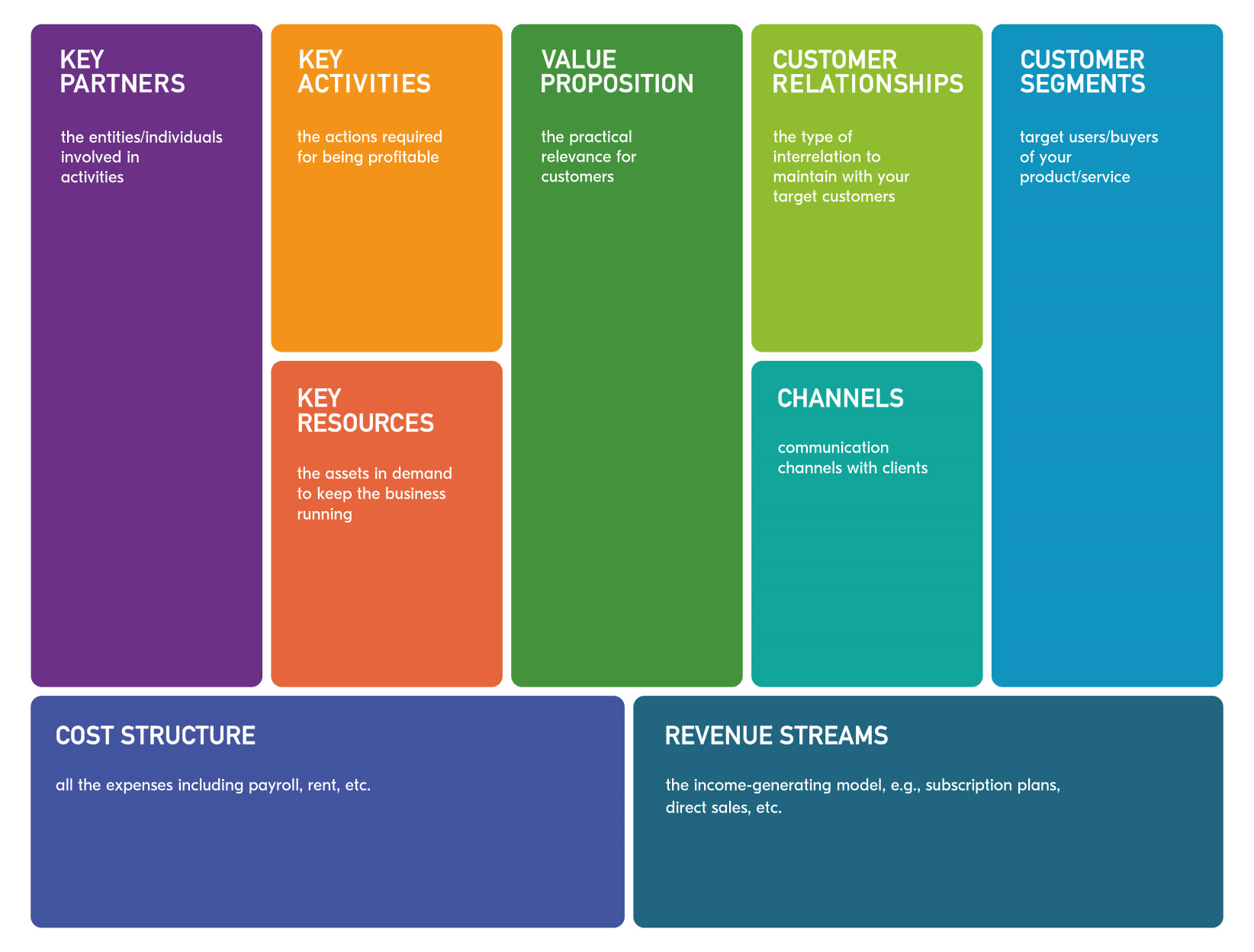
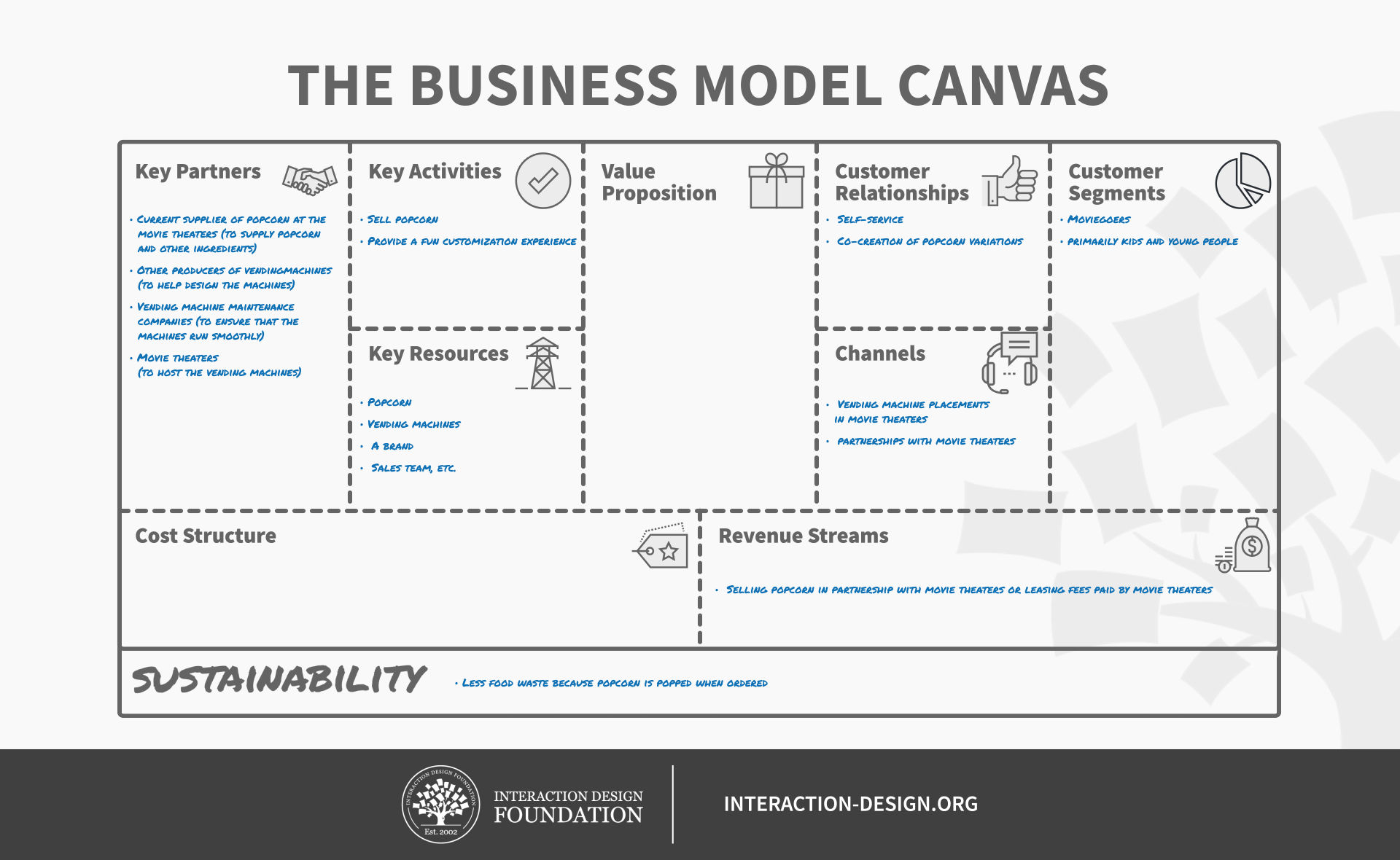
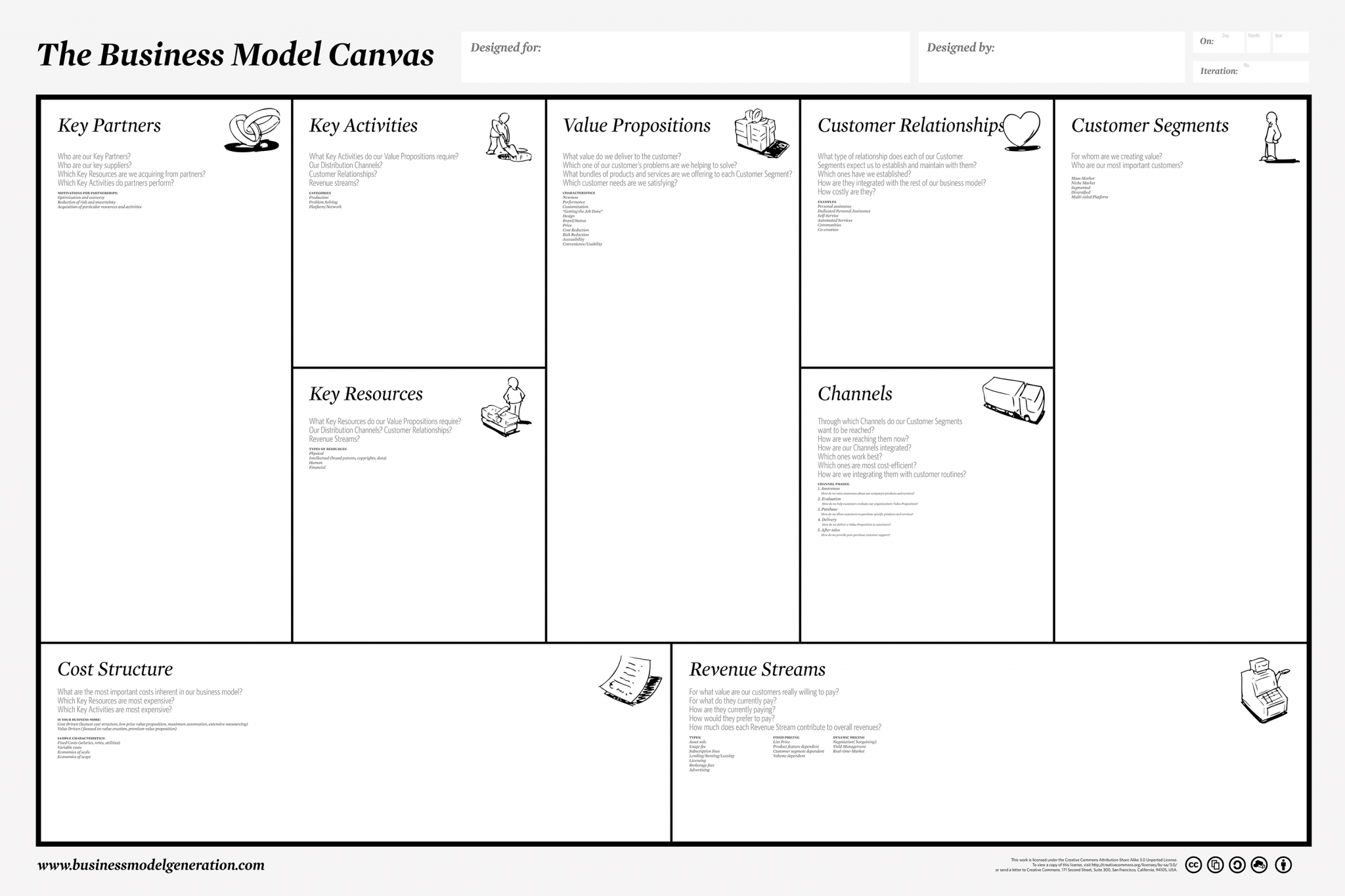
The business model canvas is divided into nine interconnected segments, each representing a core aspect of an organization. Understanding these blocks and how they relate is crucial for a comprehensive and actionable model.
1. Customer Segments (CS)
This block defines the different groups of people or organizations an enterprise aims to reach and serve. Who are your most important customers? What are their needs, behaviors, and attributes? Understanding your customer segments is the bedrock of any business model, as all other blocks revolve around serving these specific groups. Examples include mass markets, niche markets, segmented markets, diversified markets, or multi-sided platforms. For instance, a coffee shop might target daily commuters, students, and remote workers as distinct segments with varying needs for speed, study space, or meeting areas.
2. Value Propositions (VP)
The value proposition describes the bundle of products and services that create value for a specific Customer Segment. What value do you deliver to your customers? Which one of your customer's problems are you helping to solve? What bundles of products and services are you offering to each Customer Segment? This is the core reason customers choose one company over another. It can include newness, performance, customization, "getting the job done," design, brand/status, price, cost reduction, risk reduction, accessibility, and convenience/usability. A ride-sharing app, for example, offers convenience, affordability, and on-demand transportation as key value propositions.
3. Channels (CH)
Channels describe how a company communicates with and reaches its Customer Segments to deliver a Value Proposition. This block covers the entire customer interface, from awareness and evaluation to purchase, delivery, and after-sales support. Channels can be direct (e.g., sales force, web sales, owned stores) or indirect (e.g., partner stores, wholesale, online retailers). The choice of channels significantly impacts customer experience, brand perception, and cost efficiency. For a software company, channels might include online app stores, direct sales teams, and digital marketing campaigns.
4. Customer Relationships (CR)
This block describes the types of relationships a company establishes with specific Customer Segments. These relationships can range from personal assistance to self-service, dedicated personal assistance, communities, or co-creation. The motivation behind establishing customer relationships can be customer acquisition, customer retention, or boosting sales (upselling). The type of relationship chosen heavily influences the customer experience and the cost structure. A luxury brand might focus on personalized, dedicated customer service, while an e-commerce giant might rely on automated self-service and community forums.
5. Revenue Streams (RS)
Revenue Streams represent the cash a company generates from each Customer Segment. How does your business make money? What value are customers truly willing to pay for? And how are they currently paying? This block includes various mechanisms such as asset sale, usage fee, subscription fees, lending/renting/leasing, licensing, brokerage fees, or advertising. A clear understanding of revenue streams helps identify pricing mechanisms and the overall financial viability of the business model. A streaming service primarily generates revenue through subscription fees, while a consulting firm relies on service fees.
6. Key Resources (KR)
Key Resources describe the most important assets required to make a business model work. These resources can be physical (e.g., manufacturing facilities, buildings, vehicles), intellectual (e.g., patents, brands, copyrights, proprietary knowledge), human (e.g., skilled employees, specialized talent), or financial (e.g., cash, lines of credit, stock options). They are the assets that enable an enterprise to offer and deliver a Value Proposition, reach markets, maintain relationships with Customer Segments, and earn Revenue Streams. For a smartphone manufacturer, factories, engineers, and patents on mobile technology are key resources.
7. Key Activities (KA)
Key Activities describe the most important things a company must do to make its business model work. These are the crucial actions required to produce and deliver a Value Proposition, reach markets, maintain Customer Relationships, and generate Revenue Streams. Key Activities can be categorized as production (e.g., manufacturing, problem-solving (e.g., consulting, healthcare), or platform/network (e.g., software platforms, social networks). For an online retail giant, logistics, warehouse management, and platform maintenance are key activities.
8. Key Partnerships (KP)
Key Partnerships describe the network of suppliers and partners that make the business model work. Who are your key partners? Who are your key suppliers? Which Key Resources are we acquiring from partners? Which Key Activities do partners perform? Partnerships are formed for various reasons, including optimizing and economy of scale, reduction of risk and uncertainty, and acquisition of particular resources and activities. They can be strategic alliances between non-competitors, coopetition (strategic partnerships between competitors), joint ventures, or buyer-supplier relationships. A car manufacturer might have key partnerships with component suppliers and dealership networks.
9. Cost Structure (CS)
The Cost Structure describes all costs incurred to operate a business model. What are the most important costs inherent in your business model? Which Key Resources are most expensive? Which Key Activities are most expensive? This block identifies the most important costs incurred while operating under a particular business model. Cost structures can be either cost-driven (focused on minimizing costs) or value-driven (focused on creating value, with less concern for cost). Examples of costs include fixed costs (e.g., rent, salaries), variable costs (e.g., raw materials, production), economies of scale, and economies of scope. For a software-as-a-service (SaaS) company, server costs, developer salaries, and marketing expenses form a significant part of their cost structure.
Why Every Business Needs a Business Model Canvas
Beyond its conceptual elegance, the business model canvas offers tangible benefits for organizations of all sizes. It's more than just a template; it's a strategic tool that facilitates clarity, innovation, and communication.
Firstly, it provides strategic clarity. By distilling a complex business into its core components on a single page, it forces you to think critically about how each part contributes to the whole. This clarity helps identify misalignments, redundancies, or missing pieces in your strategy.
Secondly, the canvas is a powerful engine for innovation and pivoting. Its visual nature encourages brainstorming and experimentation. You can easily duplicate the canvas and try out different scenarios, customer segments, or revenue streams without overhauling an entire business plan. This agility is crucial in today's fast-paced environment, allowing businesses to adapt quickly to market changes or emerging opportunities.
Thirdly, it greatly improves investor communication and team alignment. Presenting a business idea using the canvas is far more efficient and understandable than a lengthy document. It acts as a common language that everyone, from potential investors to new hires, can quickly grasp. Internally, it ensures that all team members are on the same page regarding the business's core operations and strategic direction, fostering collaboration and shared purpose.
How to Effectively Use the Business Model Canvas
Using the business model canvas isn't just about filling in boxes; it's an iterative and collaborative process. Here’s a guide to maximizing its effectiveness:
Preparation is Key: Before you even touch the canvas, gather your team and relevant data. This includes market research, customer insights, competitive analysis, and an understanding of your current operations. The canvas is a tool for synthesizing this information, not generating it from scratch.
Start with Value and Customers: Often, the best way to begin is by focusing on the Customer Segments and Value Propositions. Who are you serving, and what unique value are you offering them? This customer-centric approach ensures your business model is built on solving real problems.
Use Post-it Notes and a Large Surface: The physical act of writing ideas on sticky notes and arranging them on a large printed canvas encourages creativity and flexibility. It allows for easy rearrangement, removal, and addition of ideas without messy erasures. This visual and tactile approach is central to the canvas's design.
Embrace Iteration and Experimentation: Don't expect to get it perfect on the first try. The canvas is meant to be a living document. Create multiple versions, test different assumptions, and challenge your initial ideas. What if you targeted a different customer segment? What if you changed your revenue model?
Collaborate and Get Feedback: The canvas shines as a collaborative tool. Involve team members from different departments, as they bring diverse perspectives. Share your canvas with mentors, potential customers, or advisors to get critical feedback and uncover blind spots.
Validate Your Assumptions: Once you have a working canvas, the real work begins: validation. The canvas is a set of hypotheses about how your business will work. You need to test these hypotheses in the real world. Talk to potential customers, run pilot programs, and measure key metrics. This validation process helps you refine your canvas based on actual market feedback.
Real-World Examples of the Business Model Canvas in Action
Many successful companies, both established and startups, can have their business models mapped onto the canvas, showcasing its versatility:
Google (Search Engine):
- Customer Segments: Internet users (free service), Advertisers (paying).
- Value Propositions: Free search and information access (users), Targeted advertising reach (advertisers).
- Revenue Streams: Advertising (AdWords, AdSense).
- Key Resources: Search algorithms, vast data centers, engineers.
- Key Activities: Search engine development, data management, ad sales.
Netflix (Original Business Model - DVD by Mail):
- Customer Segments: Movie enthusiasts seeking convenience and selection.
- Value Propositions: Vast selection of DVDs, no late fees, mailed directly to home.
- Revenue Streams: Monthly subscription fees.
- Key Resources: DVD inventory, mailing infrastructure, postal service partnership.
- Key Activities: DVD procurement, shipping logistics, customer service.
- (Note: Their model later shifted dramatically to streaming, illustrating the canvas's use for evaluating pivots.)
Starbucks:
- Customer Segments: Coffee drinkers, socializers, remote workers.
- Value Propositions: High-quality coffee, consistent experience, "third place" social environment, convenience.
- Revenue Streams: Coffee and food sales, merchandise.
- Key Resources: Brand, store locations, skilled baristas, supply chain.
- Key Activities: Coffee roasting, store operations, marketing.
These examples demonstrate how the canvas can clarify complex businesses into their essential components, making it easier to analyze, adapt, and innovate.
Common Pitfalls and How to Avoid Them
While the business model canvas is a powerful tool, its effectiveness depends on how it's used. Avoiding common pitfalls can significantly enhance its value:
Over-simplification or Under-thinking: The canvas is concise, but that doesn't mean it should be superficial. Each block requires thoughtful consideration, research, and data. Don't just fill in buzzwords; delve into the specifics. For example, under "Customer Segments," specify not just "businesses" but "small to medium-sized tech startups in North America looking for cloud solutions."
Lack of Validation: The biggest mistake is treating the canvas as a static, definitive plan rather than a set of hypotheses. The canvas helps you articulate your assumptions, but you must then go out and test them. Talk to customers, run experiments, and gather real-world data to validate (or invalidate) your initial ideas.
Ignoring Interconnections: The nine blocks are not isolated. Changes in one block will inevitably affect others. For instance, changing your "Customer Segments" will likely impact your "Value Propositions," "Channels," and "Cost Structure." Always consider the holistic impact of any modifications.
Getting Bogged Down in Detail (Initially): While detail is important for validation, during the initial brainstorming phases, focus on breadth over depth. Get all the ideas down first, then refine. Don't let perfectionism paralyze the early ideation process.
Failure to Iterate: The business model canvas is a living document. Business environments change, customer needs evolve, and new technologies emerge. Your canvas should be revisited and updated regularly, not just once. Schedule periodic reviews to ensure it remains relevant and aligned with your strategy.
Focusing Only on Revenue and Costs: While crucial, these are outcomes. Ensure you give equal weight to the "left side" of the canvas (Key Resources, Activities, Partnerships) which describe how you deliver value, and the "right side" (Customer Segments, Value Propositions, Channels, Relationships) which describes who you serve and what value you provide.
Beyond the Initial Canvas: Iteration and Validation
Creating your first business model canvas is an excellent start, but it's rarely the end. The true power of the canvas lies in its ability to facilitate continuous learning and adaptation. This iterative process is deeply rooted in Lean Startup methodologies, where the canvas serves as a structured hypothesis generator.
Once you have a plausible canvas, your next step is to prioritize the riskiest assumptions. Which parts of your model are most critical, and which are you least sure about? Is it that customers will pay a certain price? Or that a particular channel will reach them effectively? Focus your efforts on testing these critical assumptions first.
Customer discovery and customer validation are essential phases here. Get out of the building and talk to your potential customers. Show them your value proposition, observe their reactions, and gather feedback on their needs and your proposed solutions. Are they willing to pay? Do they understand your offering? This feedback loop allows you to refine your canvas, making small, informed adjustments based on real-world evidence.
Each iteration of the canvas should incorporate new learning, leading to a more robust and validated business model. This dynamic approach ensures that your business model remains relevant, competitive, and adaptable in the face of market changes, ultimately increasing your chances of long-term success.
Conclusion
The business model canvas is more than just a strategic diagram; it's a dynamic framework for understanding, designing, and evolving the core of your business. By breaking down complex operations into nine fundamental building blocks – from Customer Segments and Value Propositions to Revenue Streams and Cost Structure – it provides an unparalleled level of clarity and facilitates a shared understanding across an organization.
Its visual and collaborative nature makes it an ideal tool for entrepreneurs, innovators, and established companies alike, fostering strategic alignment, encouraging experimentation, and enabling rapid iteration. While the initial creation of a canvas is crucial, its true power unfolds through continuous validation, refinement, and adaptation based on real-world feedback. Embrace the business model canvas not as a static document, but as a living blueprint that guides your strategic journey, empowering you to craft and continually refine your winning business model in an ever-changing landscape.